

Our Verdict
All three destinations deliver genuinely world-class wildlife experiences, but they suit different travelers. Your ideal choice depends on the time of year you can travel, the type of landscape and activity you prefer, and how much logistical complexity you're comfortable managing. No single destination is universally superior — each has a distinct rhythm that rewards travelers who align their expectations with its realities.
| Best for | Recommended |
|---|---|
| Witnessing the full Great Migration spectacle | Serengeti (year-round calving and movement) or Maasai Mara (July–October river crossings) |
| Water-based and walking safari experiences | Okavango Delta |
| Shorter trip with easier international connections | Maasai Mara |
| Uncrowded, exclusive wildlife encounters | Okavango Delta |
What Sets Each Region Apart
These three ecosystems are often mentioned in the same breath, but they differ fundamentally in geography, ecology, and the kind of safari they deliver. Understanding those differences before you book is the most practical thing you can do.
The Serengeti (Tanzania) is the largest of the three — roughly 14,750 square kilometers of open grassland, kopjes (rocky outcroppings), and woodland. It anchors the southern portion of the Great Migration circuit and supports one of the densest concentrations of large mammals on the planet year-round.
The Maasai Mara (Kenya) sits directly north of the Serengeti across the international border and is ecologically continuous with it. Smaller in area, it is famous for the dramatic Mara River crossings that wildebeest make between roughly July and October — among the most photographed wildlife events in the world.
The Okavango Delta (Botswana) operates on an entirely different logic. It is an inland river delta — water from Angola's highlands fans out across the Kalahari sand, creating a seasonal floodplain that attracts extraordinary concentrations of wildlife. Mokoro (dugout canoe) trips, walking safaris, and boat excursions are viable here in ways they simply aren't in the other two regions.
| Serengeti | Maasai Mara | Okavango Delta | |
|---|---|---|---|
| Country | Tanzania | Kenya | Botswana |
| Terrain type | Open grassland, kopjes, woodland | Rolling grassland, riverine forest | Inland river delta, floodplain islands |
| Peak season | June–October; Jan–Feb calving | July–October (Migration crossings) | June–August (flood peak) |
| Great Migration | Year-round in different zones | July–October Mara crossings | Not applicable |
| Activity types | Game drives, balloon safaris | Game drives, balloon safaris | Game drives, mokoro, walking, boat |
| Crowd levels | Moderate to high in peak season | High at crossings in peak season | Low (high-value, low-volume model) |
| Access complexity | Moderate (connecting flights or long drive) | Lower (short flight or drive from Nairobi) | Higher (charter flights into camps) |
| Relative cost | Moderate to high | Moderate | High |
Timing, Seasons, and Wildlife Cycles
Across all three destinations, the dry season is generally the most reliable window for game viewing. Animals gather around permanent water sources, vegetation thins, and visibility improves. However, the timing and character of each region's seasons differ.
- Serengeti: Dry season runs roughly June through October. The famous calving season — when hundreds of thousands of wildebeest are born — happens in the southern Serengeti around January and February. The Migration is present in some part of the ecosystem every month.
- Maasai Mara: The Migration typically arrives July through October. The Mara's short and long rains fall in November and March–May respectively. Outside migration season, resident wildlife — lion, leopard, elephant, cheetah — is reliably present year-round.
- Okavango Delta: The annual flood peaks between June and August, which paradoxically makes this the prime season. Water pushes wildlife onto islands and into concentrated areas. The dry season (May–October overall) aligns with the flood peak, creating optimal conditions.
Align Your Travel Dates to Wildlife Cycles
The single most impactful planning decision you can make is matching your travel window to the specific wildlife event you want to see. Research the typical monthly movement of the Migration in your chosen region and build in flexibility around those dates. A week's difference in arrival time can mean the difference between witnessing river crossings and missing them entirely.
Green season (the wetter months) can offer lower visitor density and lush landscapes, but road conditions in all three regions can become genuinely difficult, and wildlife disperses across wider areas. Set realistic expectations if traveling outside the dry season window.
Logistics, Access, and Practical Considerations
How you get there — and how complex that process is — varies meaningfully between destinations.
The Maasai Mara is accessible via a roughly 5–6 hour drive from Nairobi or a short scheduled flight to airstrips within the reserve. Kenya's well-developed tourism infrastructure means more accommodation options across a wider range of price points. That said, the Mara can feel crowded near river crossing hotspots during peak migration season, with multiple vehicles converging on the same sightings.
The Serengeti requires flying into either Kilimanjaro or Julius Nyerere International Airport, followed by connecting flights to bush airstrips or multi-hour drives from the Ngorongoro area. Tanzania's northern circuit can be combined with other destinations — Ngorongoro, Tarangire — adding logistical flexibility but also complexity.
The Okavango Delta is the most logistically involved of the three. Most visitors fly into Maun (Botswana) and take small charter flights into camps, as road access during flood season is limited. Botswana deliberately pursues a high-value, low-volume tourism model, which means fewer crowds but higher per-night costs. Conservation fees are built into this model and support anti-poaching efforts.
Verify Entry and Health Requirements Early
Visa rules, park fees, yellow fever vaccination requirements, and travel advisories across Tanzania, Kenya, and Botswana can change with little notice. Do not rely solely on tourism websites or booking platforms for this information. Check the official government travel portals of both your home country and your destination country at least 8–12 weeks before departure.
Verify visa requirements, travel advisories, and any health documentation requirements — including vaccination records — directly through the official government sources of Tanzania, Kenya, and Botswana, as well as your country's foreign affairs agency, well in advance of travel. Conditions change and online third-party information may be outdated.
Which Region Fits Your Trip?
There is no objectively correct answer here — only the right fit for your specific window of travel, your interests, and your tolerance for logistical complexity.
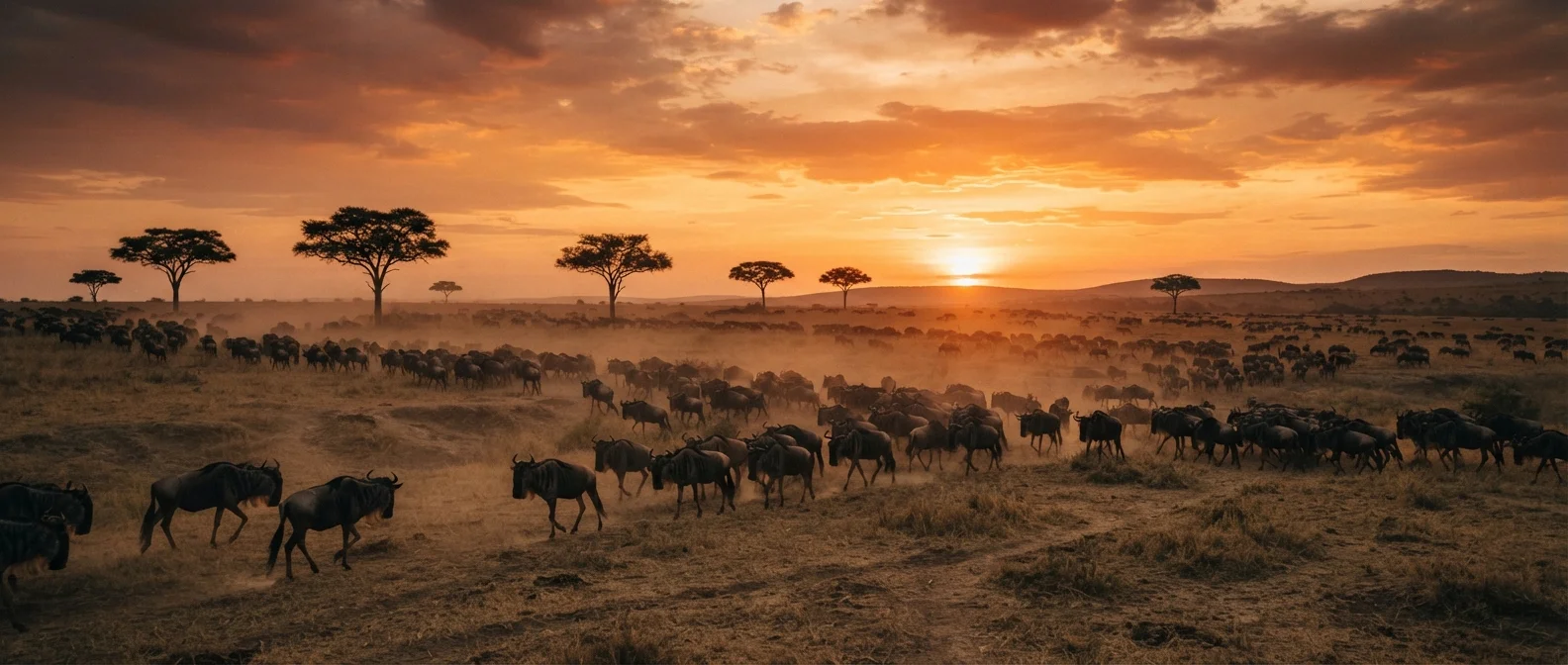
If the Great Migration is your primary goal, the Serengeti offers the longest window of access because the Migration moves through different zones throughout the year. The Maasai Mara delivers the concentrated drama of river crossings if you can travel between July and October. If you want those crossings, timing precision matters — arriving in June or November can mean missing the event entirely.
If you want wildlife diversity alongside water-based activities and a less crowded environment, the Okavango Delta is genuinely unlike either of the others. It suits travelers who want a more intimate, exploratory experience and are comfortable with the higher costs that Botswana's tourism model involves.
First-time safari travelers may find the Maasai Mara the most accessible starting point given its relative ease of access from Nairobi. Those returning for a second or third trip often gravitate toward the Okavango for its distinctly different character. The Serengeti suits travelers who want the scale and breadth of Tanzania's northern wildlife circuit as a whole.
Travel conditions, fees, and entry requirements are subject to change. Always verify logistics, health requirements, and safety advisories with official government and operator sources before booking.
The content on this site is for informational purposes only and is not a substitute for professional advice. Always consult a qualified professional for guidance specific to your situation.