

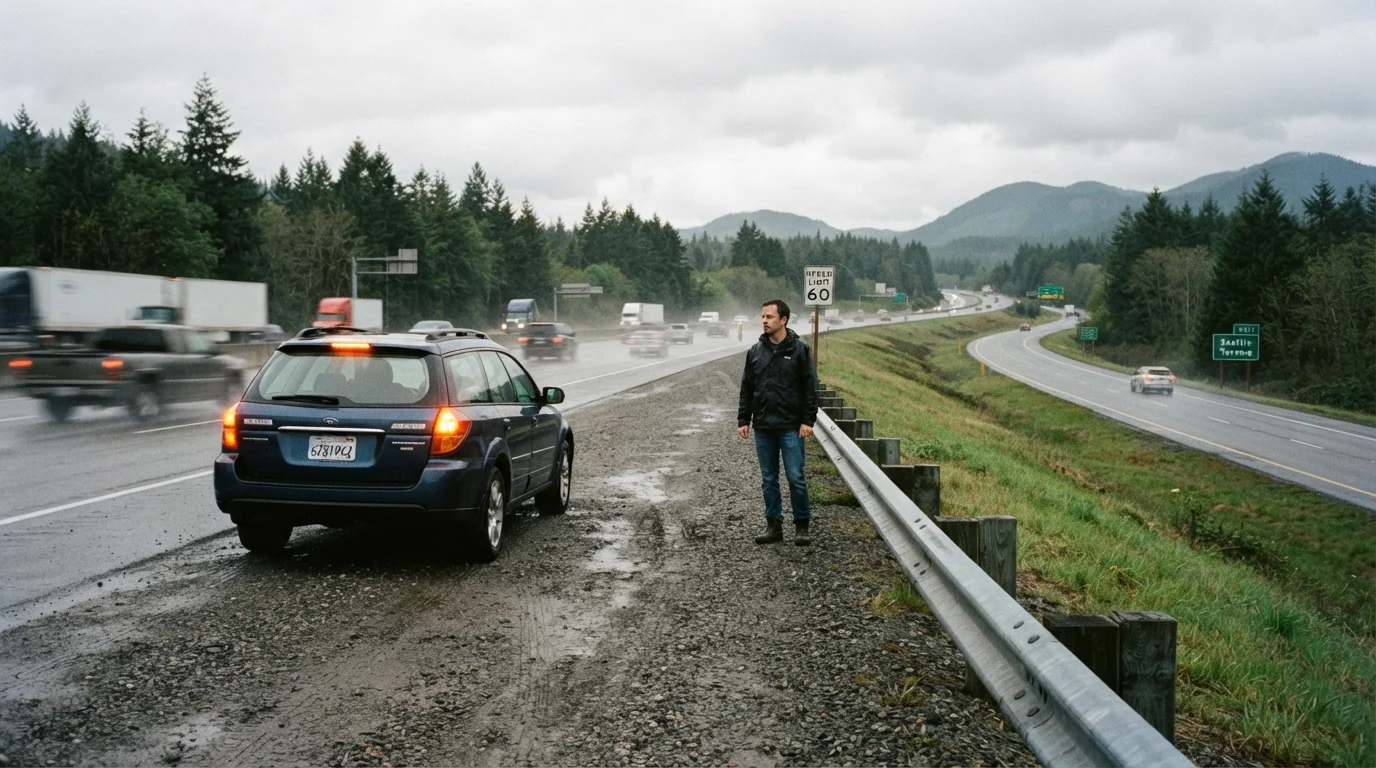
Why a Clear Response Plan Matters
A roadside breakdown is one of the most disorienting experiences a traveler can face. The car stops working, traffic keeps moving, and the instinct to act fast can lead to dangerous decisions. The difference between a manageable situation and a serious one usually comes down to the first 60 seconds: whether you pulled far enough off the road, whether you activated hazard lights, and whether you stayed calm enough to assess rather than react.
Understanding the core principles of road safety helps build the mental framework you need when something goes wrong. Good routine vehicle maintenance also reduces the likelihood of unexpected failures — but no amount of preparation eliminates risk entirely. What follows is a step-by-step response designed to keep you and other drivers as safe as possible.
What you will need
Reflective triangles or LED road flares
Warns approaching drivers that a vehicle is stopped on or near the roadway.
Mobile phone with a charger or power bank
Used to call roadside assistance, emergency services, or a contact person.
Roadside assistance card or saved hotline number
Provides immediate access to towing, tire, and lockout services without searching mid-crisis.
Hi-visibility vest or jacket
Makes you visible to drivers if you must exit the vehicle in low-light conditions.
Basic first-aid kit
Addresses minor injuries that may occur during a breakdown incident.
What to Do While You Wait — and What Comes Next
The period between calling for help and help arriving is where many people make avoidable mistakes. Attempting to make repairs on a busy shoulder, standing behind the car to inspect it, or wandering near the road puts you at serious risk.
Never Stand on the Traffic Side
When waiting for help, always position yourself away from the flow of traffic — ideally behind a guardrail or on a slope away from the road. Drivers drifting toward breakdown vehicles is a documented and serious hazard. If you cannot safely exit the car away from traffic, stay buckled inside with hazard lights on.
Don't Attempt Repairs on a Live Highway
Changing a tire or checking under the hood on a high-speed road shoulder is dangerous. If you are on a freeway or highway and cannot reach a safe exit or rest area, call for professional assistance and wait inside or behind a barrier. No mechanical fix is worth the risk of being struck by traffic.
Build a Simple Breakdown Kit
Keep a small kit in your trunk: reflective triangles or LED flares, a phone charger or power bank, a basic first-aid kit, water, and a copy of your roadside assistance info. Assembling this before a long trip takes under 20 minutes and pays off in any emergency.
Once you've confirmed help is on the way, use the wait time productively: gather your insurance and registration documents, note exactly what the car did or didn't do before stopping (sounds, smells, warning lights), and photograph your vehicle's position and any visible damage. This information will be useful for any insurance claim or mechanic conversation that follows.
When the tow arrives, confirm the destination before the vehicle is loaded. If you're traveling far from home, you may need to ask for the vehicle to be taken to the nearest reputable service center rather than a shop of the tow operator's choosing — that choice is yours to make.
The content on this site is for informational purposes only and is not a substitute for professional advice. Always consult a qualified professional for guidance specific to your situation.