

Our Verdict
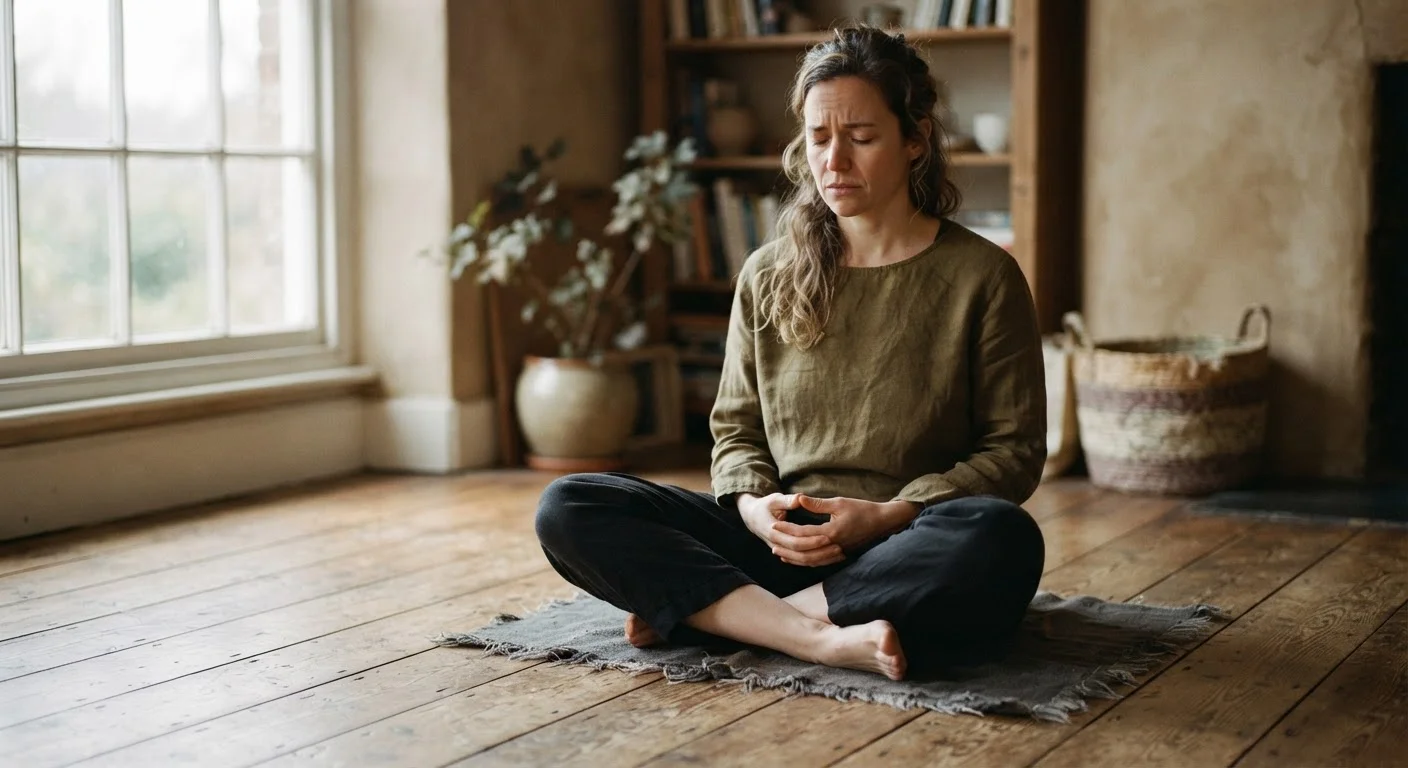
For most people, occasional discomfort during mindfulness practice is a sign that something real is being noticed — not that something is going wrong. The practice surfaces mental content that ordinarily goes unexamined, which can feel unfamiliar or even unsettling at first. That said, mindfulness is not universally comfortable or universally appropriate, and recognizing the line between productive friction and genuine distress matters.
This article is most useful for people who have experienced unexpected discomfort during mindfulness and want a grounded, evidence-informed framework for deciding whether to continue, adapt, or seek professional guidance.
Why Mindfulness Can Feel Uncomfortable
Most introductory mindfulness resources focus on the benefits — reduced stress, improved focus, emotional regulation. Fewer explain what happens when sitting quietly with your own mind turns out to feel difficult. Yet discomfort is a recognized part of the process, and understanding why it occurs can prevent unnecessary alarm.
Mindfulness asks you to observe your present-moment experience without immediately reacting to it. For many people, that means encountering thoughts, physical sensations, and emotions they usually stay too busy to notice. Restlessness, boredom, and a heightened awareness of physical tension are among the most commonly reported early experiences.
If you're new to the practice, a structured starting point can help you set realistic expectations before discomfort catches you off guard.
Surfaces emotions that ordinarily go unexamined
Bringing suppressed feelings into awareness — even when uncomfortable — is a recognized mechanism through which mindfulness supports emotional processing and regulation over time.
Discomfort often signals genuine engagement
Research on mindfulness-based programs suggests that periods of difficulty frequently precede meaningful shifts in how practitioners relate to their thoughts and feelings.
Builds tolerance for uncomfortable mental states
Repeatedly noticing distress without immediately escaping it can gradually reduce reactivity — a process sometimes called distress tolerance in clinical psychology.
Increases body awareness and early stress signals
Heightened physical awareness during practice can help people recognize tension, fatigue, or stress responses earlier, enabling more timely self-care responses.
What Falls Within the Range of Normal
Researchers studying mindfulness-based programs have documented a range of experiences that, while uncomfortable, are not indicators that something has gone wrong. These include:
- Emotional surfacing: Feelings of sadness, irritability, or grief that seem to arise without an obvious cause. Stillness can lower the mental defenses that ordinarily keep these feelings at bay.
- Physical discomfort: Awareness of previously unnoticed tension, aches, or an inability to sit still. This is often the body responding to sustained attention rather than a new physical problem.
- Boredom and restlessness: An impatient or fidgety quality — sometimes described as the mind resisting stillness — is extremely common, particularly in the first several weeks.
- Heightened self-criticism: Noticing how much of your internal monologue is negative can feel confronting, but awareness of this pattern is itself a recognized step toward changing it.
The key characteristic of normal discomfort is that it tends to ease or shift as the session continues, and does not persist significantly after practice ends. Understanding why early drop-offs happen can also reframe these experiences as common rather than personal.
Signs That Warrant Professional Attention
Mindfulness research also documents a smaller subset of experiences — sometimes called "adverse effects" — that go beyond ordinary discomfort and deserve professional evaluation. These are not reasons to dismiss the practice outright, but they are reasons to pause and seek guidance.
Can trigger or amplify anxiety in susceptible individuals
For people with generalized anxiety or panic disorder, sustained self-focused attention can escalate rather than reduce anxious arousal, particularly in unguided settings.
May surface trauma without adequate support
Trauma-sensitive clinicians note that body-scan and breath-focused practices can inadvertently activate trauma memories or somatic responses in people with unresolved trauma histories.
Dissociation or depersonalization can occur
A small proportion of practitioners report feeling detached from their body or surroundings during or after practice — experiences that warrant prompt discussion with a mental health professional.
Unguided practice lacks clinical safeguards
App-based or self-directed mindfulness carries no built-in mechanism for recognizing when a user is struggling, which increases the risk of adverse experiences going unaddressed.
Experiences That Go Beyond Normal Discomfort
Seek professional guidance if you notice: dissociation or a persistent sense of unreality during or after practice; panic attacks that are new or worsening; intrusive memories or flashbacks triggered by meditation; or depressive episodes that deepen following sessions. These experiences are documented in clinical literature as adverse effects that require professional assessment rather than continued self-directed practice. Familiarizing yourself with common mindfulness terminology can also help you describe your experience accurately to a clinician.
If you are experiencing any of the more serious symptoms described below, please stop the practice and speak with a qualified mental health professional before resuming. This article is general health information and is not a substitute for individualized clinical guidance.
Adapting Practice When Discomfort Is Persistent
For people with anxiety, trauma histories, or a tendency toward dissociation, standard mindfulness instruction — particularly breath-focused or body-scan formats — may require modification rather than abandonment. This is a well-documented need in clinical mindfulness literature.
~8%
Practitioners reporting adverse meditation experiences
A 2019 survey published in PLOS ONE found approximately 8% of meditators reported at least one adverse effect they attributed to practice, most of which were transient.
58%
Adverse experiences among those with trauma histories
A study in Psychological Medicine found trauma survivors had substantially higher rates of adverse mindfulness experiences, underscoring the need for trauma-informed adaptation.
Adaptations can include shortening session length, using movement-based or eyes-open practices, working with a trauma-informed instructor, or beginning with informal mindfulness — brief, low-stakes moments of present-moment awareness embedded in daily activity. Everyday moments offer accessible entry points for people who find formal seated practice destabilizing.
People prone to anxiety in particular may benefit from tailored approaches. Adapting mindfulness for anxious minds covers what that looks like in practice, and when professional support becomes the priority rather than the backup plan.
It's also worth periodically assessing whether your current practice structure is actually working for you. A structured self-audit can clarify whether adjustments are needed.
This article is for general informational purposes only and does not constitute medical or psychological advice. If you are experiencing distressing symptoms during or after mindfulness practice, please consult a qualified mental health professional.
The content on this site is for informational purposes only and is not a substitute for professional advice. Always consult a qualified professional for guidance specific to your situation.