

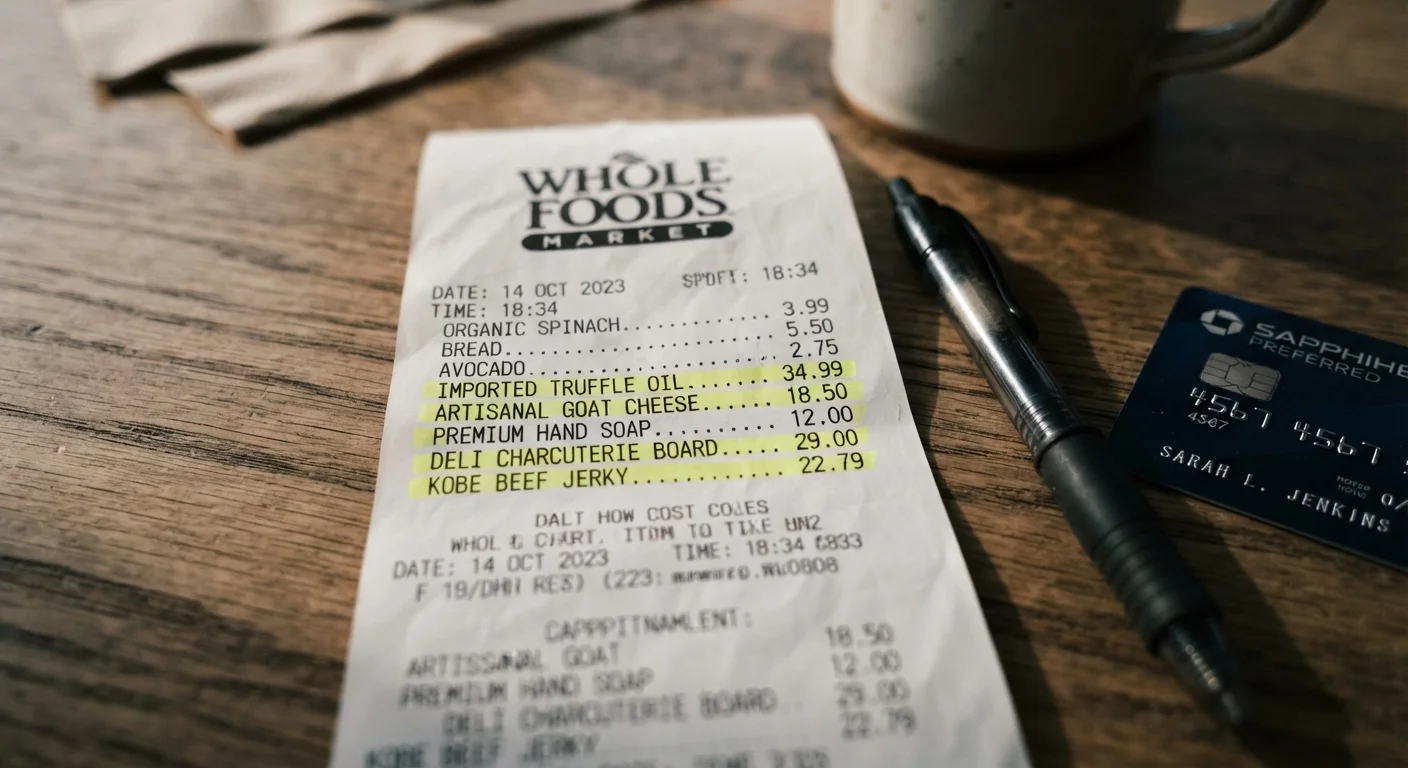
Why the Final Price Is Rarely the Advertised One
Advertisers have a structural incentive to show you the lowest possible number. That number is almost never what lands on your credit card statement. Across retail, travel, telecommunications, and software, a consistent pattern emerges: the headline price covers the core product, while a constellation of secondary charges handles everything else.
These aren't always deceptive in a legal sense — many are disclosed somewhere in the purchase flow. But they're disclosed in places most shoppers don't look until after the decision is made. Understanding where these costs tend to cluster is the most reliable way to budget accurately. The list below covers the categories that consistently catch consumers off guard.
A note on disclosure versus visibility
Most hidden costs are technically disclosed somewhere in the purchase flow — in terms of service, footnotes, or checkout summaries. The problem isn't usually legal concealment; it's that disclosure placement is optimized for the seller, not the buyer. Knowing that these costs exist and where to look for them shifts that information asymmetry in your favor.
Common Hidden Costs and Where They Tend to Hide
Shipping surcharges added after item selection
Many online retailers display free or flat-rate shipping prominently, then apply surcharges for large items, remote zip codes, or expedited handling at checkout. These oversize or "freight" fees can run significantly higher than standard rates and are often buried in a tooltip or footnote rather than the product page itself.
The fix is simple: add the item to your cart and navigate to the shipping estimate screen before entering payment information. That step reveals the real delivery cost before you're committed.
Oversize and freight surcharges are frequently invisible until checkout — check shipping costs before entering payment details.
Auto-renewing subscriptions and free-trial traps
Free trials that require a credit card convert automatically to paid subscriptions at the trial's end. The charge often appears weeks later under an unfamiliar company name, making it easy to miss on a statement. Streaming services, software tools, meal kits, and wellness apps are particularly common sources.
For a deeper look at how these mechanics work, subscription service terms explained walks through what you're actually agreeing to when you sign up. The short version: calendar the renewal date the moment you start a trial, and check your statements monthly for charges you don't recognize.
Free trials that require a card convert automatically to paid plans — calendar the renewal date the moment you sign up.
Restocking and return shipping fees
A return policy that says "returns accepted" is not the same as a free return. Restocking fees — typically ranging from 10% to 25% of the purchase price — are common with electronics, appliances, and specialty goods. Return shipping costs can add another significant charge, particularly on heavy or bulky items.
These fees are almost always disclosed in the retailer's return policy, which means they're knowable before purchase — just rarely checked. The mechanics of return policies are worth understanding so you know what "free returns" actually covers in any given context.
Restocking fees of 10–25% can make returning an item nearly as costly as keeping it — read the policy before you buy.
Activation and setup fees on services
Internet providers, mobile carriers, and some financial products charge one-time activation or account setup fees that don't appear in the monthly rate advertising. These can range from modest processing charges to fees that effectively add a month or more to your apparent cost.
Always ask — or look for — the full first-bill estimate, not just the monthly rate. Providers are generally required to disclose these fees, but they may only appear in the full service agreement or during the final checkout step, not in the promotional materials that drove the decision.
The monthly rate in an ad almost never includes one-time activation fees — ask for the full first-bill estimate upfront.
Mandatory add-ons bundled into the price
Some retailers and service providers include items or services in the final price that aren't mentioned in the listing — protection plans, installation kits, or accessories presented as included when they actually inflate the total. This is especially common in auto sales, where dealer-installed accessories or documentation fees can add hundreds to the sticker price.
The what the sticker price doesn't tell you covers this pattern in vehicle purchases specifically, but the same dynamic appears in electronics retail and home appliance sales. Ask for a line-item breakdown and question anything you didn't request.
Bundled add-ons you didn't choose are a common pricing tactic — always ask for a full line-item breakdown before agreeing.
Convenience fees for payment method or platform
Paying by credit card, using a third-party ticketing platform, or processing a transaction through a marketplace can all trigger convenience fees that don't appear until the final payment screen. Event tickets, utility payments, and government services are frequent offenders. These fees typically range from 2% to 5% but can be higher for smaller transaction amounts where a flat fee is applied.
When the fee is unavoidable, factor it into your price comparison from the start rather than treating the listed price as the real one. If a cheaper payment method (debit, ACH, check) is available and practical, it's worth the minor inconvenience to avoid a recurring charge.
Convenience fees for credit cards or third-party platforms are common — check the payment screen before finalizing any transaction.
Use a dedicated card for trials and subscriptions
Assigning a single credit card exclusively to subscription services makes it easier to spot unfamiliar charges at a glance. Review that card's statement monthly. When a charge appears that you don't recognize or no longer want, you can act quickly — most subscription cancellations are effective immediately, stopping future charges even if you can't recover the current billing period.
Building a Pre-Purchase Habit
The single most effective habit is slowing down at the confirmation screen. Before clicking "complete purchase," scroll to the full order summary and look for any line item you didn't consciously choose. If the total is higher than expected, find out why before the transaction finalizes — it's much harder to reverse after the fact.
For bigger purchases, a quick search for " hidden fees" or " restocking fee" takes about 90 seconds and often surfaces real consumer experiences. The return policy red flags to watch for are equally worth reviewing before you commit, not after. And if you're evaluating whether a lower-priced option is genuinely cheaper overall, see why the cheapest option isn't always the smartest choice.
Hidden costs don't disappear when you know about them — but they stop being surprises, and that's what puts you back in control of your spending.
The content on this site is for informational purposes only and is not a substitute for professional advice. Always consult a qualified professional for guidance specific to your situation.