

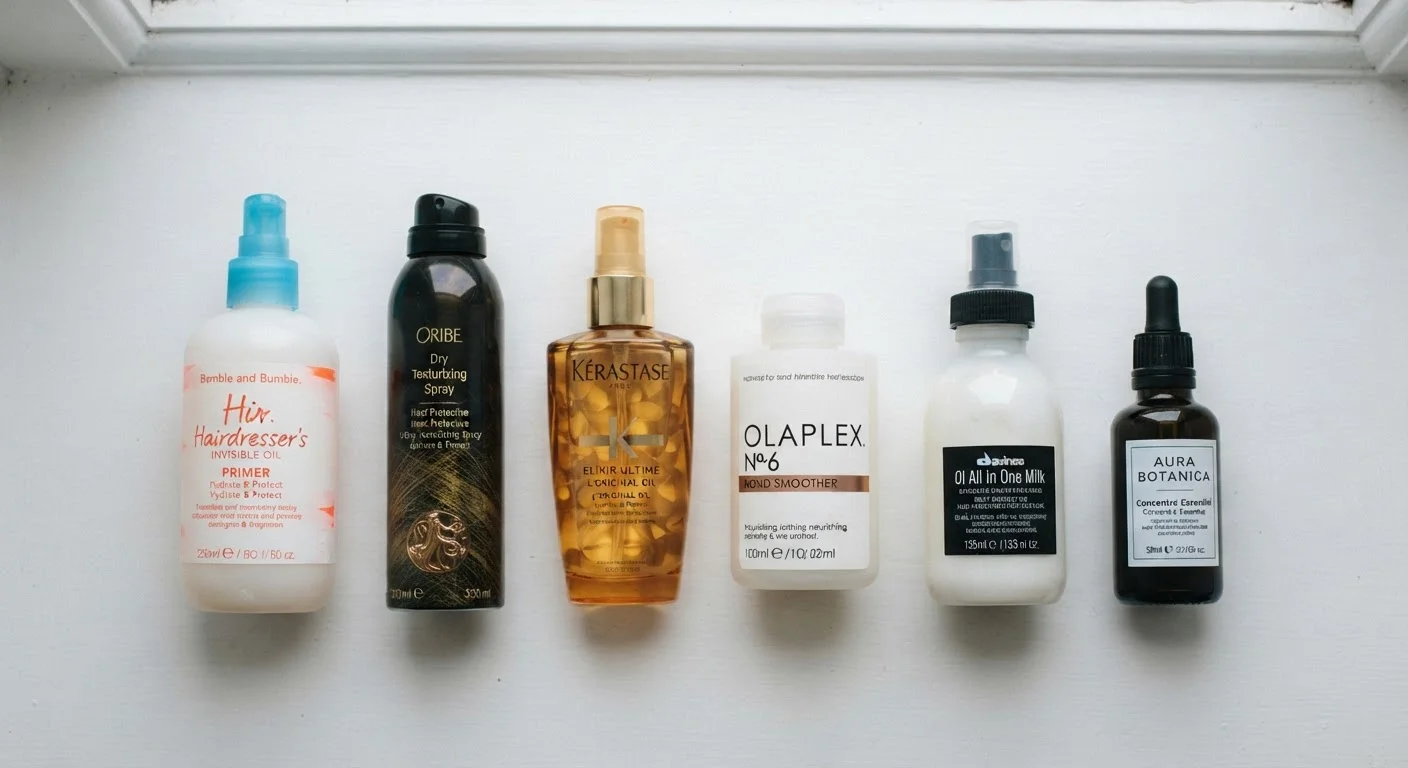
The Regulation Gap: Why Most Claims Are Just Words
When you pick up a shampoo labeled "strengthening," "repairing," or "nourishing," you're reading marketing copy - not a regulated promise. In the U.S., the FDA classifies most haircare products as cosmetics, not drugs. That distinction matters enormously: cosmetic claims don't require pre-market approval, and terms like "repair" or "restore" have no legal or standardized definition when applied to hair.
The exception is products that make a drug claim - asserting they change the structure or function of the body. A shampoo claiming to "reduce hair loss due to breakage" stays in cosmetic territory; one claiming to "regrow hair" shifts into drug territory and faces stricter scrutiny. For most everyday claims, however, manufacturers have wide creative latitude.
Understanding this gap is the first step to reading past the front-of-bottle language to what the formula actually contains. See our guide to reading product labels for a broader look at how labeling rules work across product categories.
| Regulatory category (U.S.) | Cosmetic (most products); drug claims trigger stricter FDA oversight (U.S. FDA, Cosmetics Guidance) |
| "Strengthening" - regulated definition? | No - marketing term only |
| "Natural" - regulated definition? | No federal standard for haircare |
| Ingredient list order | Descending by concentration (INCI standard) |
| Can topical products repair split ends? | No - they can smooth and reduce appearance, not rebuild structure |
| Humectant example | Glycerin, panthenol - draw moisture to the hair shaft |
Common Claims - What They Signal (and What They Don't)
Here's how to interpret the most frequent terms on haircare packaging:
- "Strengthening" / "Fortifying" - Often means the formula contains proteins (hydrolyzed keratin, wheat protein) or amino acids that can temporarily bond to the hair shaft and reduce breakage. These ingredients have real evidence, but effects are surface-level and wash out over time. The hair strand itself is not rebuilt.
- "Repairing" / "Restoring" - Structurally damaged hair (split ends, chemically processed cuticle) cannot be repaired to its original state by a topical product. These terms typically indicate conditioning agents - emollients, silicones, fatty alcohols - that smooth the cuticle and reduce the appearance of damage.
- "Nourishing" / "Moisturizing" - These terms point to humectants (glycerin, panthenol) that draw water to the hair shaft, and emollients that seal it in. Legitimate mechanisms, but the degree of effect varies considerably by formula concentration and your hair's porosity.
- "Color-safe" - Generally signals sulfate-free or low-surfactant formulas less likely to strip artificial pigment. Not standardized or tested against a benchmark.
- "Natural" / "Clean" - Neither term has a regulatory definition in haircare. "Natural" ingredients can still be irritating; "clean" is entirely brand-defined.
For a deeper look at what's actually inside a shampoo bottle, see our breakdown of shampoo ingredients.
INCI
International Nomenclature of Cosmetic Ingredients - the standardized naming system used on cosmetic labels worldwide. Ingredients must be listed in descending order of concentration.
Humectant
An ingredient that attracts and retains water, helping to hydrate the hair shaft. Common examples include glycerin and panthenol.
Emollient
An ingredient that softens and smooths the hair cuticle by filling gaps and reducing friction. Examples include fatty alcohols like cetyl alcohol and shea butter.
Hydrolyzed protein
A protein broken into smaller fragments so it can temporarily bond to the hair shaft. Used in "strengthening" products to reduce visible breakage with repeated use.
Cosmetic claim
A product claim that describes altering appearance without asserting a change to the body's structure or function. Cosmetic claims do not require FDA pre-market approval in the U.S.
Film-former
An ingredient that coats the hair shaft with a thin flexible film, adding smoothness and shine. Silicones (e.g., amodimethicone) are a common example.
Where to Look Instead: The Ingredient List
The INCI (International Nomenclature of Cosmetic Ingredients) list on the back panel is the most honest part of any label. Ingredients must be listed in descending order of concentration - so what appears in the first five to seven positions makes up the bulk of what you're actually applying.
When evaluating a product:
- Check position, not just presence. An ingredient listed near the bottom of a 30-item formula is present in a very small amount. Beneficial actives that appear after fragrance are unlikely to deliver meaningful effects.
- Look for functional categories. Rather than chasing trendy ingredients by name, identify what the formula does: humectants (glycerin, sorbitol), emollients (cetyl alcohol, shea butter), proteins (hydrolyzed keratin), and film-formers (PVP, amodimethicone). Understanding categories beats memorizing ingredient names.
- Note what's absent. If a claim like "sulfate-free" or "silicone-free" matters to your hair type, verify it in the INCI list rather than trusting the front label. Understanding your hair type can help you decide which omissions are actually relevant for you.
Oils listed as key ingredients are worth particular scrutiny - their benefits depend heavily on molecular weight and whether they penetrate the shaft or simply coat it. Our article on oils in haircare covers this in detail.
For conditioning products specifically, the label's front claims rarely tell the full story. What separates a conditioner from a hair mask comes down to formula concentration and contact time - not the marketing category.
This article is for general informational purposes only. If you have concerns about hair loss, scalp health, or a medical condition affecting your hair, consult a qualified healthcare professional.
The content on this site is for informational purposes only and is not a substitute for professional advice. Always consult a qualified professional for guidance specific to your situation.