

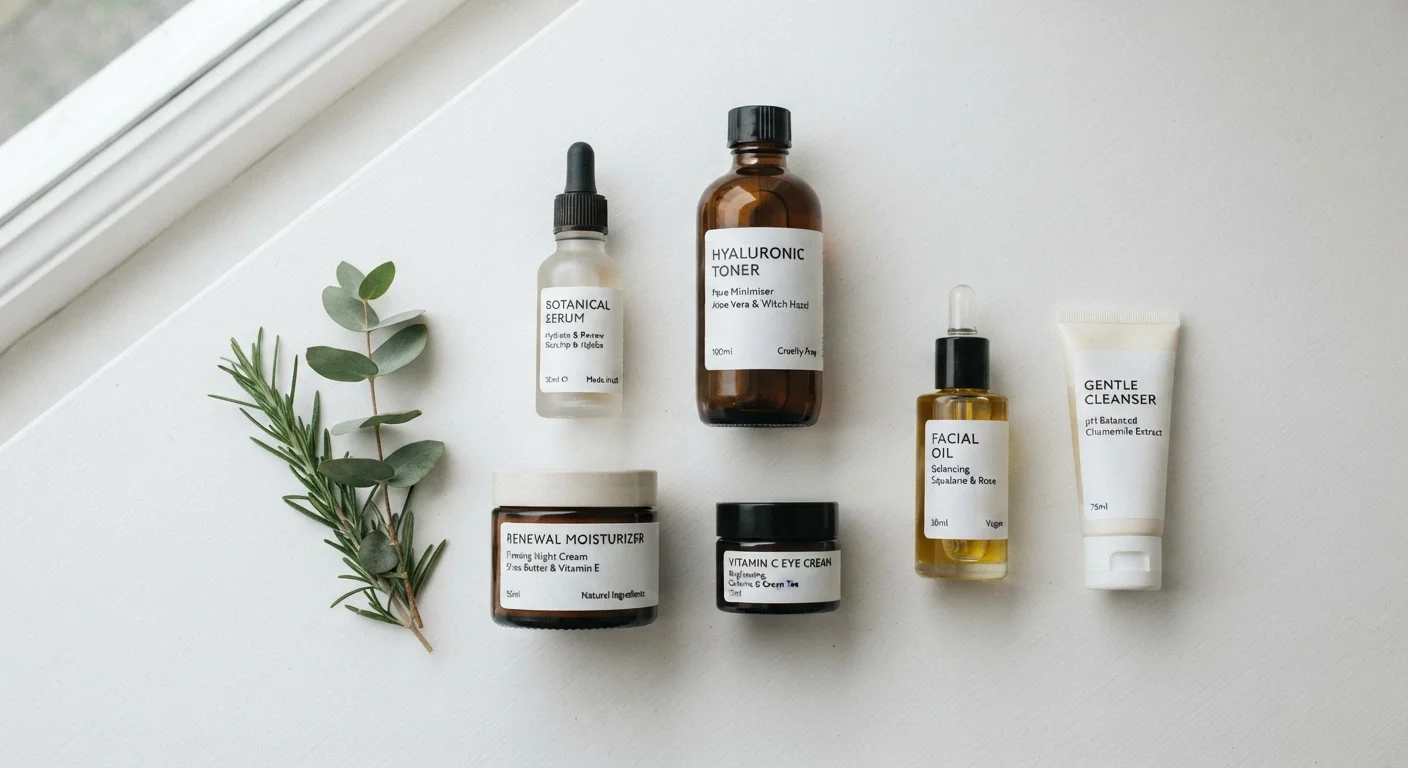
Why Fragrance Is a Sensitive Skin Issue
Fragrance is the single most common cause of allergic contact dermatitis linked to cosmetic products, according to dermatology literature. That's a meaningful statistic, because contact dermatitis - skin inflammation triggered by a substance touching the skin - can range from mild redness and itching to blistering reactions in sensitized individuals.
There are two mechanisms at work. Irritant contact dermatitis happens when a fragrance compound directly damages the skin barrier. Allergic contact dermatitis involves an immune response: the first exposure sensitizes the immune system, and subsequent exposures trigger a full reaction. Once sensitization occurs, even small amounts of a fragrance ingredient can cause a response - and the reaction often worsens with repeated contact.
Fragrance compounds can also disrupt the skin barrier without producing obvious symptoms, making them a concern even for people who don't consider themselves particularly sensitive.
Fragrance Regulation Differs by Country
US labeling rules require only the generic term 'fragrance' or 'parfum' on ingredient lists, without disclosing individual components. The European Union mandates individual listing of 26 known fragrance allergens when present above set thresholds. This means the same product sold in the US and Europe may appear to have different ingredient lists, even though the formula is identical.
How Fragrance Hides on Labels
In the US, manufacturers are not required to list individual fragrance components. The catch-all term "fragrance" or "parfum" can legally cover a blend of hundreds of different chemicals. This makes it difficult for consumers to know what they're actually applying - and to identify which specific compound caused a reaction.
Beyond those umbrella terms, fragrance ingredients also appear individually on labels, often without obvious connection to scent:
- Linalool and linalyl acetate - common in lavender-derived ingredients
- Limonene - found in citrus-derived extracts
- Citronellol, geraniol, eugenol - present in rose and clove-type scents
- Benzyl alcohol - used in jasmine-type fragrances (also functions as a preservative)
Natural fragrance sources are equally worth flagging: lavender oil, bergamot oil, rose extract, ylang-ylang, and similar plant-derived ingredients all deliver fragrance compounds to skin. For a broader explanation of how ingredient lists are structured, see our guide to reading skincare ingredient labels.
Use a Fragrance Allergen Reference List
The EU's list of 26 mandatory fragrance allergens is a practical reference even for US consumers. Searching for these names on a US ingredient label - linalool, limonene, citronellol, eugenol, geraniol, and others - gives you the transparency that US regulations don't require manufacturers to provide. Many free online ingredient-checking tools include this flagging automatically.
Fragrance-Free vs. Unscented: A Critical Difference
These two terms are often used interchangeably in everyday conversation, but they have meaningfully different implications on a product label.
Fragrance-free means no fragrance ingredients - synthetic or natural - were added. This is the term to prioritize if you have sensitive or reactive skin.
Unscented can mean that masking fragrances have been added to neutralize the natural smell of other ingredients, resulting in a product that smells neutral but still contains fragrance compounds. Unscented products may still cause reactions in fragrance-sensitive individuals.
It's also worth noting that "natural" or "clean" labeling does not equal fragrance-free. Many products marketed as natural contain essential oils and botanical extracts that are potent fragrance sources. See how routine assumptions like this stack up against the evidence in our piece on skincare routine myths.
Who Should Be Most Cautious
Fragrance avoidance is especially relevant for people with:
- Eczema (atopic dermatitis) - where a compromised barrier makes skin more permeable to irritants
- Rosacea - a condition marked by chronic inflammation and heightened sensitivity
- Perioral dermatitis or other reactive skin conditions
- A history of cosmetic reactions - past reactions increase the risk of future sensitization
That said, not everyone needs to eliminate all fragrance from their routine. People with resilient, non-reactive skin may tolerate scented products without issue. The goal is accurate risk awareness, not blanket fear.
If you're building or revising a routine around sensitive skin, understanding how your skin type shapes product choices is a useful foundation - our overview of adapting your routine to your skin type covers those decisions in detail.
~1 in 10
People sensitized to at least one fragrance allergen
Research published in dermatology literature estimates fragrance allergy affects approximately 1-11% of the general population, depending on the population studied.
26
Fragrance allergens requiring individual EU disclosure
EU cosmetics regulations mandate labeling of 26 specific fragrance compounds above threshold concentrations; a further expansion of this list has been under regulatory review.
#1
Most common cosmetic allergen category
Fragrance is consistently identified in patch-testing studies as the leading cause of allergic contact dermatitis attributed to cosmetic and personal care products.
Practical Steps for Reducing Fragrance Exposure
If you want to reduce fragrance in your routine, here's a focused approach:
- Audit your current products. Check labels for "fragrance," "parfum," and the individual allergen names listed above. High-leave-on products - moisturizers, serums, sunscreens - warrant extra attention because they stay on skin longest.
- Prioritize fragrance-free alternatives. Look specifically for the term "fragrance-free" rather than "unscented" or "natural."
- Introduce new products one at a time. This makes it far easier to identify what caused a reaction if one occurs. Our checklist for adding new products safely walks through patch testing and timing.
- Don't assume "gentle" or "natural" means fragrance-free. Check the full ingredient list regardless of marketing claims.
For anyone who has already experienced a reaction and wants to understand what specifically caused it, a dermatologist can perform formal patch testing to identify individual fragrance allergens. This article provides general educational information and is not a substitute for personalized medical advice - always consult a qualified healthcare professional about your specific skin concerns.
This article is for informational purposes only and does not constitute medical or dermatological advice. Consult a qualified healthcare professional for guidance specific to your skin condition or health needs.
Frequently Asked Questions
'Fragrance-free' means no fragrance ingredients - synthetic or natural - were added to the formula. It is the clearest term to look for if you have sensitive skin. 'Unscented,' by contrast, can include masking fragrances that neutralize odor without adding a noticeable scent, so those products may still contain irritating fragrance compounds.
Not necessarily. Essential oils and plant extracts are natural sources of fragrance but they contain the same chemical compounds - such as linalool and limonene - that trigger allergic and irritant reactions. Research suggests natural fragrances are among the more common causes of fragrance-related contact allergy. Sensitive skin benefits from avoiding both categories.
Look for the words 'fragrance,' 'parfum,' or 'aroma' first. Then scan for individual fragrance allergens such as linalool, limonene, citronellol, eugenol, geraniol, and benzyl alcohol. Natural fragrance sources like lavender oil, rose extract, and citrus peel oil also count as fragrance ingredients. Our guide to <a href="/beauty-basics/skincare/the-skincare-ingredient-label-decoded">reading ingredient labels</a> explains how INCI naming works.
Yes. Fragrance can cause subclinical inflammation - low-level irritation without obvious redness or stinging - that contributes to a compromised skin barrier over time. This is one reason dermatologists often recommend fragrance-free formulas for anyone with rosacea, eczema, or chronically sensitized skin, even when symptoms are mild.
Not necessarily. People with resilient skin who have no history of sensitivity or reactions may tolerate fragrance without issue. The clearest case for avoidance is for those with known sensitive, reactive, or barrier-impaired skin, or anyone who has previously reacted to a scented product. When in doubt, patch testing a new product before full application is a sensible precaution.
If you experience persistent redness, itching, swelling, or rash after using skincare products, see a board-certified dermatologist. They can perform patch testing to identify specific allergens and advise on a routine suited to your skin. This article is general educational information and is not a substitute for personal medical advice.
The content on this site is for informational purposes only and is not a substitute for professional advice. Always consult a qualified professional for guidance specific to your situation.