

Why Maintenance Habits Outlast Any Single Repair
A vehicle that reaches 200,000 miles without major mechanical failure rarely gets there by luck. It gets there because an owner committed to a rhythm of consistent, attentive care. Sporadic fixes address symptoms; habits address the root cause of premature wear.
Most mechanical failures don't appear suddenly — they develop slowly through neglected fluids, ignored warning signs, or gradual component fatigue. The good news is that nearly all of these failure pathways are predictable and manageable. Understanding what your car needs, and when, puts you firmly in control of its longevity.
If you're not sure where to start, the seasonal car maintenance checklist offers a practical framework for breaking the year into manageable inspection windows.
Follow your owner's manual service schedule without exception
Manufacturers engineer service intervals based on real component wear data for each specific engine and drivetrain. Deviating from these intervals — in either direction — means the vehicle isn't being maintained to its design standards. Most owners underutilize this resource entirely.
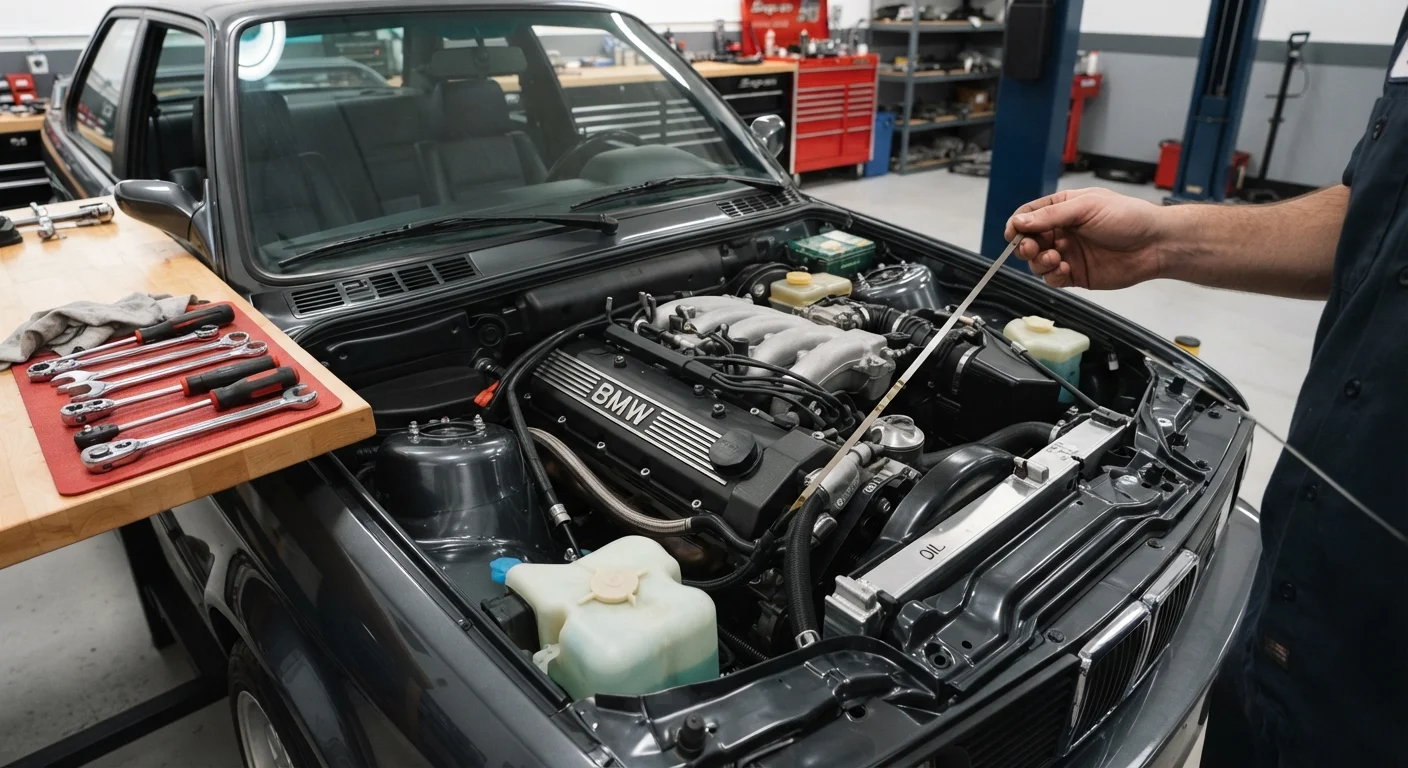
Check engine oil level and condition monthly
Oil doesn't just lubricate — it cools, cleans, and protects internal engine components. Low oil or degraded oil accelerates wear on bearings, camshafts, and cylinder walls. A monthly dipstick check takes under two minutes and can catch a developing leak before it causes damage.
Maintain correct tire pressure and rotate tires every 5,000–7,500 miles
Underinflated tires wear unevenly, reduce fuel efficiency, and increase the risk of blowouts. Regular rotation distributes wear evenly across all four tires, extending overall tire life and preserving predictable handling. Both are among the lowest-cost, highest-return maintenance habits available.
Inspect and replace brake components before they reach metal-on-metal contact
Brake pads have wear indicators designed to alert drivers before rotors are damaged. Ignoring the early squealing warning and waiting until grinding occurs means resurfacing or replacing rotors — a significantly more expensive repair. Brakes are also a safety system, not just a maintenance item.
Keep the cooling system properly maintained with fresh coolant
Engine coolant (antifreeze) degrades over time, losing its corrosion inhibitors and pH balance. Old coolant can allow rust and scale buildup inside the cooling system, eventually causing overheating or heater core failure. Coolant flushes are among the most commonly skipped but genuinely important services.
Drive smoothly and avoid aggressive acceleration and hard braking
Driving behavior directly affects the rate at which components wear. Hard acceleration strains the drivetrain; hard braking stresses pads, rotors, and suspension. Smooth, predictable inputs extend the life of nearly every mechanical system simultaneously.
The Core Practices That Make the Difference
The following habits aren't complex — but they require consistency. Together, they address the systems most responsible for premature vehicle aging.
Oil changes deserve special mention. Engine oil degrades over time, carrying away heat and contaminants. Skipping or delaying changes accelerates internal engine wear in ways that compound invisibly. Our dedicated look at what delayed oil changes cost explains exactly what happens inside the engine when this routine is ignored.
“The vehicles that last the longest almost always have one thing in common: an owner who treated the service schedule as non-negotiable, not optional.”
— Cars & Driving Editorial Team, Automotive maintenance researchers and editors
Adapting Your Habits as Mileage Climbs
A well-maintained car at 80,000 miles needs different attention than the same car at 130,000 miles. Rubber seals harden, belts fatigue, and coolant additives deplete — changes that require you to inspect more frequently, not less.
200,000+
Miles many modern vehicles can reach with proper care
Automotive engineers and industry observers widely acknowledge that consistent maintenance — not just vehicle quality — is the primary driver of longevity in modern cars.
~$1,200
Estimated average cost of a neglected timing belt failure
Automotive repair data consistently shows that a timing belt replacement done preventively costs a fraction of the engine damage repair that can result from a belt that breaks without warning.
At higher mileage, shift your focus toward timing belts or chains (per manufacturer schedule), coolant system integrity, transmission fluid condition, and suspension components. These systems often go unexamined until failure, but early intervention is far less expensive. For a detailed breakdown of what shifts as the odometer climbs, see our guide on maintaining a high-mileage car.
Severe vs. Normal Driving Conditions
Most owner's manuals define two maintenance schedules: normal and severe. Severe driving includes frequent short trips under 5 miles, stop-and-go city traffic, towing, dusty environments, or extreme temperatures. Many drivers who think they follow a normal schedule actually qualify for the more frequent severe schedule. If in doubt, consult a qualified mechanic to assess your actual driving conditions.
It's also worth separating fact from fiction in your maintenance routine. Many common habits — like warming up an engine for several minutes before driving in cold weather — are outdated for modern fuel-injected vehicles. Our overview of car maintenance myths helps you focus time and money where it actually counts.
The content on this site is for informational purposes only and is not a substitute for professional advice. Always consult a qualified professional for guidance specific to your situation.