

Start here
Why Routine Maintenance Matters
Build knowledge
The Core Systems Every Driver Should Know
Get your reference
Your Owner's Manual: The Most Underused Resource
Take action
Simple Checks You Can Do Yourself
Know your limits
When to Bring in a Professional
Why Routine Maintenance Matters
A car is one of the most complex machines most people own — and one of the most expensive to repair when things go wrong. Routine maintenance isn't about being a "car person"; it's about protecting an investment and staying safe on the road.
The relationship between small, consistent upkeep and long-term vehicle health is well established. Catching a low fluid level or a worn belt early costs a fraction of what an engine failure or snapped timing component would. As you build your knowledge, our guide on habits that add years to a car's life shows how these routines compound over time.
Start a Simple Maintenance Log
Keep a small notebook in your glove compartment — or use a notes app — to record every service, check, and repair with the date and mileage. This log helps you stay on schedule, provides valuable history if you sell the vehicle, and can flag patterns that indicate a developing problem.
The Core Systems Every Driver Should Know
You don't need an engineering degree — you need a working familiarity with the systems that keep your car running safely. Here are the six most important:
- Engine oil: Lubricates moving parts and reduces heat. Low or dirty oil accelerates engine wear.
- Coolant (antifreeze): Regulates engine temperature. A low level can lead to overheating.
- Brakes: Includes pads, rotors, and brake fluid. Degradation here is a direct safety concern.
- Tires: Proper inflation and adequate tread depth affect handling, stopping distance, and fuel economy.
- Battery: Powers the electrical system and starting the engine. Most batteries last three to five years.
- Transmission fluid: Keeps the transmission shifting smoothly; neglect leads to costly damage over time.
Synthetic oil
A type of engine oil manufactured through a chemical process rather than refined from crude oil. It generally offers better performance and longer change intervals than conventional oil.
Service interval
The recommended mileage or time period between scheduled maintenance tasks, such as oil changes or tire rotations. Your owner's manual specifies the correct intervals for your vehicle.
Coolant
A liquid — also called antifreeze — that circulates through the engine to regulate operating temperature and prevent freezing in cold climates.
Tire tread depth
The measurement of the grooves in a tire's surface. Adequate depth is essential for maintaining grip on wet or slippery roads; worn tread significantly increases stopping distances.
Dipstick
A thin metal rod inserted into the engine that you pull out to check the level and condition of engine oil. Markings on the stick indicate minimum and maximum safe levels.
Severe driving conditions
A term used by manufacturers to describe operating patterns — such as frequent short trips, towing, or extreme temperatures — that put extra stress on a vehicle and may require more frequent maintenance.
Your Owner's Manual: The Most Underused Resource
The owner's manual that came with your vehicle — or is available digitally from the manufacturer — is the most authoritative source of maintenance guidance for your specific car. It outlines service intervals, fluid specifications, tire pressure ratings, and warning light meanings that are unique to your make and model.
Generic advice (such as "change your oil every 3,000 miles") is often outdated or inapplicable to modern vehicles with synthetic oil and longer service intervals. Your manual replaces guesswork with manufacturer-tested guidance. For a deeper look at how to interpret those intervals, see your car's maintenance schedule, explained.
Digital Manuals Are Widely Available
If your printed owner's manual is missing, most manufacturers publish digital versions through their official websites, often free of charge. You can typically search by your vehicle's year, make, and model. Some apps also aggregate this information, though the manufacturer's official source is always the most reliable.
Simple Checks You Can Do Yourself
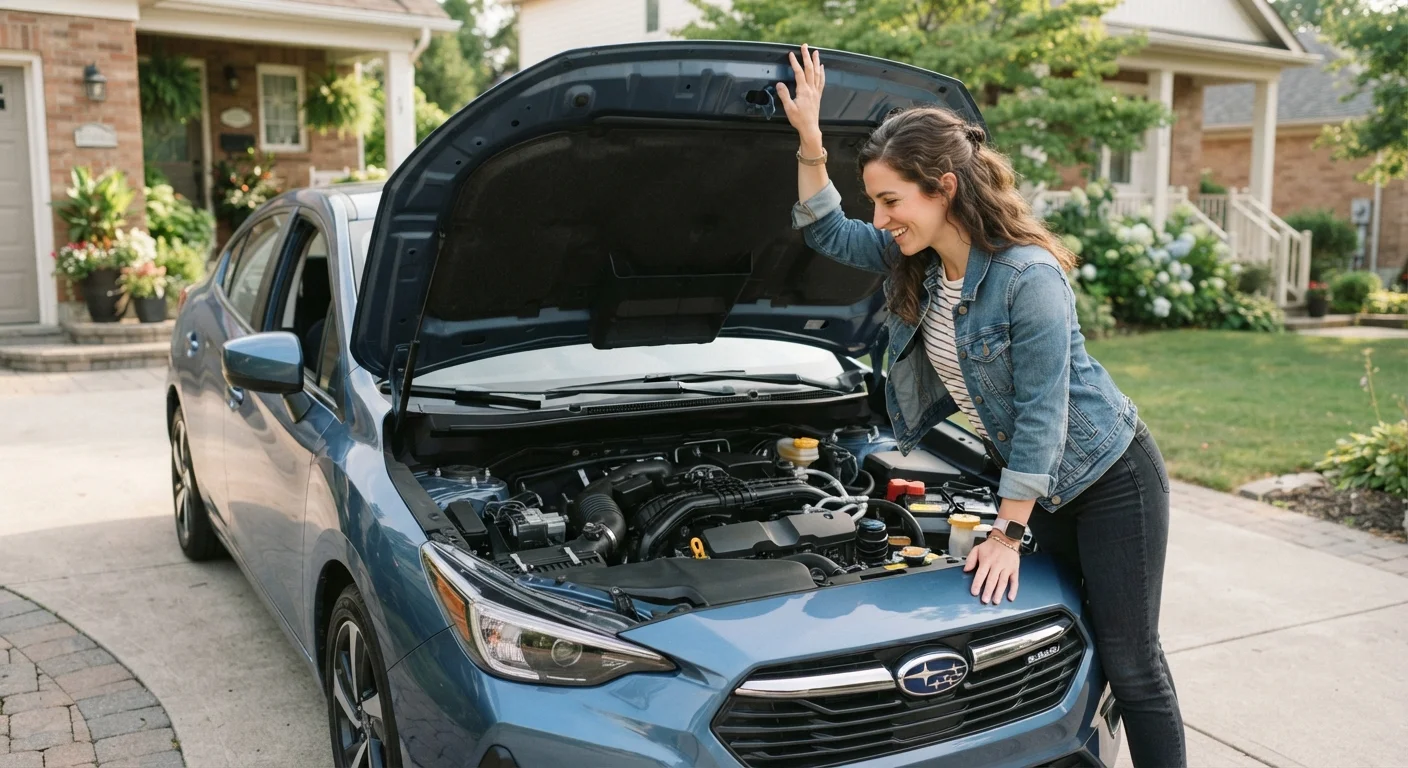
Several routine checks require no tools or specialist knowledge and can be done in your driveway in under ten minutes:
- Tire pressure: Use an inexpensive gauge. Check when tires are cold and match the pressure listed on the sticker inside your driver's door — not the number on the tire sidewall.
- Engine oil level: With the engine off and cooled, pull the dipstick, wipe it, reinsert, and read the level against the min/max markers.
- Windshield washer fluid: Top up with the correct fluid; plain water can freeze or promote bacterial growth.
- Lights: Walk around the car periodically to confirm all exterior lights are functioning.
- Wiper blades: Streaking or skipping is a sign they need replacement — typically every six to twelve months.
For a structured seasonal version of these checks, the seasonal car maintenance checklist is a practical next step.
When to Bring in a Professional
Knowing when not to attempt a repair is just as important as knowing what you can handle. The following should always be assessed and performed by a qualified, licensed mechanic:
- Brake system work (pad replacement, rotor resurfacing, fluid flush)
- Suspension and steering components
- Timing belt or chain service
- Transmission servicing or repair
- Any repair triggered by a check engine light or persistent warning indicator
If you're unsure whether a task is within a beginner's ability, our article on DIY maintenance vs. taking your car to a mechanic offers a balanced breakdown. It's also worth separating fact from fiction early — common maintenance myths have led many drivers to spend money unnecessarily or skip genuinely important services.
Don't Ignore Dashboard Warning Lights
Warning lights — especially the check engine, oil pressure, or brake system indicators — signal that something requires attention. Continuing to drive without investigation can transform a minor issue into a major repair or, in some cases, a safety hazard. When in doubt, have the vehicle inspected by a qualified technician promptly.
Frequently Asked Questions
Most manufacturers recommend a professional inspection at least once a year or every 12,000 miles, whichever comes first. Your owner's manual will provide the most accurate intervals for your specific make and model. Some newer vehicles also have onboard maintenance reminder systems.
Regular oil changes are widely considered the single most important routine task, as clean oil lubricates the engine and prevents wear. The correct interval varies by vehicle and oil type, so always follow your owner's manual rather than a generic rule.
Yes — checking tire pressure, topping off windshield washer fluid, inspecting wiper blades, and monitoring warning lights are all beginner-friendly. Tasks involving the brake system, electrical components, or drivetrain should generally be left to a qualified mechanic.
Neglected maintenance typically leads to accelerated component wear, reduced fuel efficiency, and eventually costly mechanical failures. In some cases, deferred maintenance can create safety hazards, such as brake degradation or tire blowouts.
Yes, significantly. Frequent short trips, stop-and-go driving, towing, or driving in extreme temperatures all put additional stress on your vehicle and may require more frequent service. These are often categorized as 'severe' driving conditions in your owner's manual.
Look for a licensed repair shop or dealership service center with certified technicians. Asking for written estimates, checking for relevant certifications, and reading independent reviews are sensible steps when evaluating any service provider.
The content on this site is for informational purposes only and is not a substitute for professional advice. Always consult a qualified professional for guidance specific to your situation.