

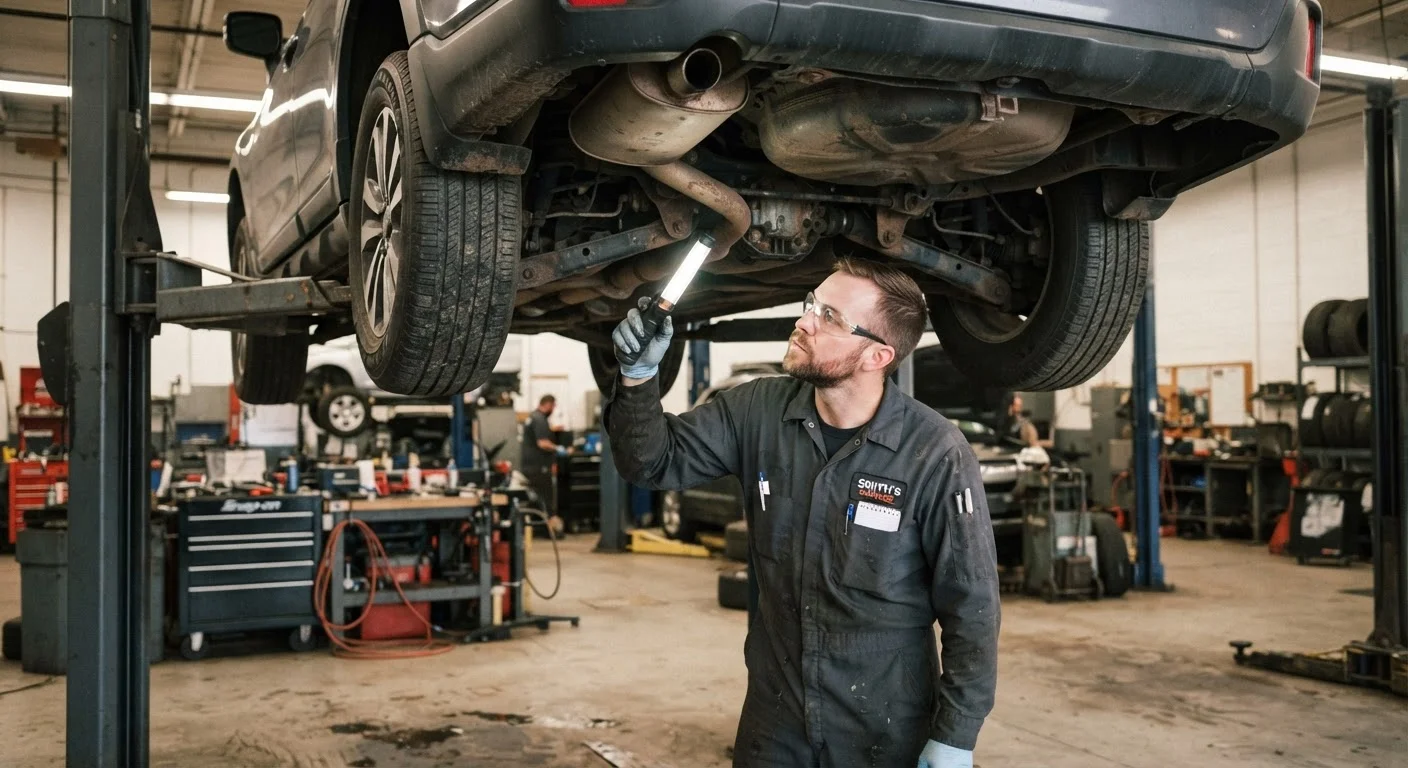
Why a Pre-Purchase Inspection Matters
Buying a used vehicle involves accepting some degree of uncertainty — but a pre-purchase inspection (PPI) is one of the most effective ways to reduce it. A PPI is a mechanical and structural evaluation conducted by an independent, qualified mechanic before you commit to a purchase. It is distinct from a test drive and distinct from a vehicle history report, both of which leave significant blind spots.
A test drive tells you how a car feels on the road. A vehicle history report tells you what's been officially recorded. A PPI tells you what condition the car is actually in right now — including problems that have never been reported and issues that began after the last recorded service event.
For context on where a PPI fits within the broader process, see the full vehicle purchase journey.
$100–$200
Typical cost of a pre-purchase inspection
Independent repair shops generally charge between $100 and $200 for a comprehensive PPI, according to widely cited automotive consumer guidance.
1 in 3
Used vehicles with undisclosed issues
Industry estimates suggest a significant proportion of used vehicles on the private market have mechanical or structural issues not disclosed by sellers.
Who Should Conduct the Inspection
The single most important rule: the mechanic performing the inspection should have no financial relationship with the seller. Dealership service departments can be convenient, but when the dealership also stands to profit from the sale, there is an inherent conflict of interest. Seek out an independent repair shop — ideally one that specializes in the make you're considering or holds recognized certifications such as ASE (Automotive Service Excellence).
If you're buying from a private seller, ask whether you can take the vehicle to a shop of your choosing. Most good-faith sellers will agree to a reasonable request. If a seller refuses to allow any independent inspection, treat that as a serious red flag. A car that can't be examined has something to hide, or at minimum, a seller who isn't transparent.
Choose Your Inspector Before You Choose Your Car
Identify a trusted independent mechanic before you begin seriously shopping. This way, when you find a promising vehicle, you can schedule an inspection quickly without rushing. Ask neighbors, friends, or local community forums for recommendations — word-of-mouth referrals for mechanics tend to be reliable.
What a Thorough PPI Should Cover
A comprehensive pre-purchase inspection goes well beyond a visual once-over. A qualified mechanic should examine the following areas:
- Engine and transmission: fluid levels and condition, leaks, unusual wear patterns, and transmission response
- Undercarriage and frame: signs of rust, prior collision damage, or repairs inconsistent with the vehicle's reported history
- Brakes and suspension: pad and rotor condition, shock absorber wear, steering components
- Tires: tread depth, uneven wear (which can signal alignment or suspension problems), and sidewall condition
- Electrical systems: lights, sensors, climate control, and any diagnostic trouble codes via an OBD-II scan
- Body and paint: evidence of repainting or body filler that might indicate unreported collision repair
This is also a good moment to revisit questions to ask before a test drive, since observations from a test drive and PPI findings should inform each other.
Always use an independent mechanic with no ties to the seller.
An inspector with a financial stake in the sale has a conflict of interest that can compromise the objectivity of the report. Independent inspection ensures you receive an honest assessment of the vehicle's condition.
Request a written, itemized inspection report.
Verbal summaries can miss details and are impossible to reference later. A written report documents what was checked, what was found, and the assessed severity of each item.
Combine the PPI with a vehicle history report, not instead of one.
History reports capture documented events — accidents, title changes, odometer readings — while a PPI captures current physical condition. Neither alone gives the full picture.
Budget the inspection cost into your purchase evaluation from the start.
A PPI typically costs between $100 and $200 at most independent shops — a fraction of the cost of a single major repair. Factoring it in early prevents sticker shock from derailing a sound decision.
Acting on Inspection Results
A PPI report is a negotiating tool as much as a safety screen. If the inspection surfaces minor issues — worn brake pads, aging tires — that information gives you a basis to negotiate price or request that the seller address repairs before closing. More serious findings, such as evidence of flood damage, frame straightening, or a failing transmission, are grounds to walk away entirely.
Keep the inspection findings in context: no used vehicle is perfect, and a competent mechanic will note items of varying severity. Ask the shop to categorize findings by urgency — what needs attention now versus what can be monitored — so you can make a clear-eyed decision rather than reacting to an intimidating list of minor notes.
For a broader look at verification steps that apply to any major purchase, see things to verify before making a major purchase. And if you're weighing whether a used vehicle is the right path at all, understanding the differences between new, used, and certified pre-owned can help frame that decision.
The content on this site is for informational purposes only and is not a substitute for professional advice. Always consult a qualified professional for guidance specific to your situation.