

Our Verdict
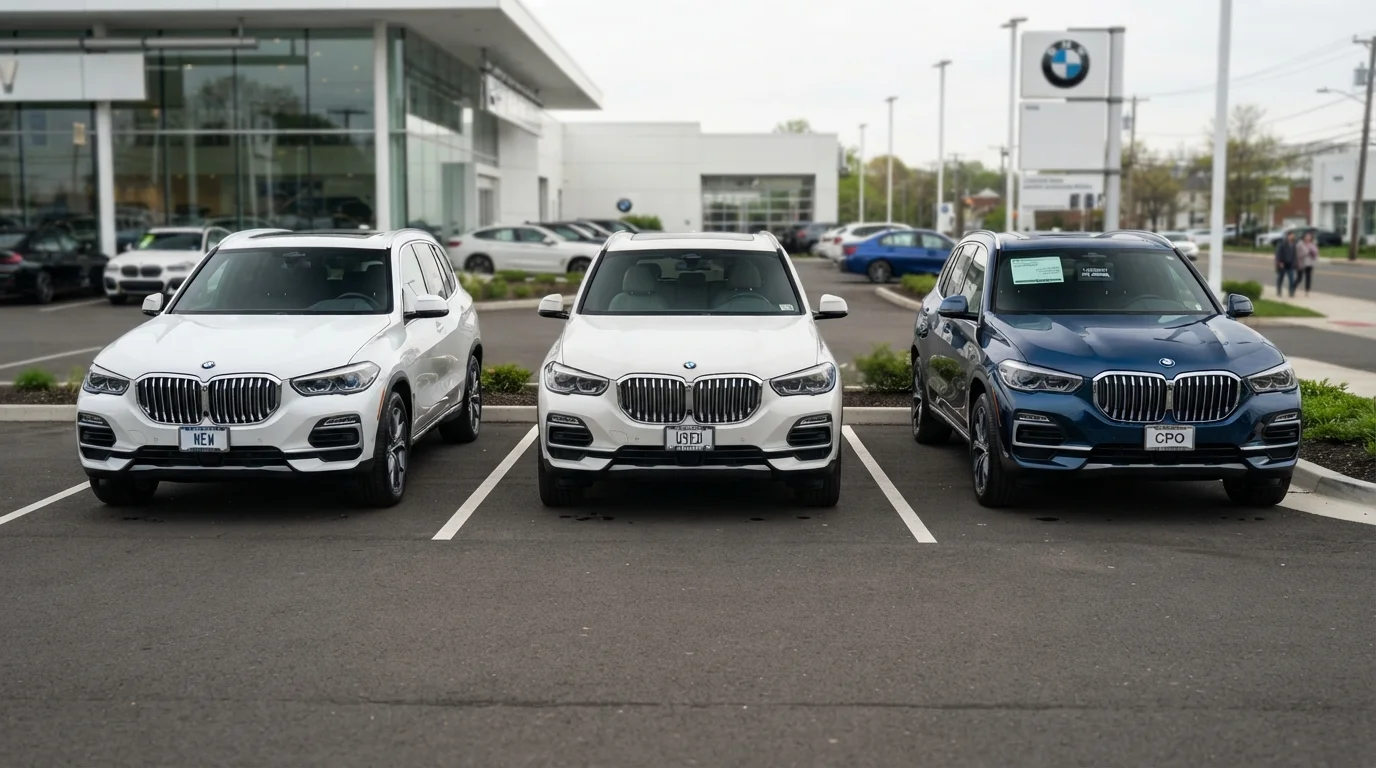
No single option wins across every situation. New cars suit buyers who prioritize peace of mind and plan to keep the vehicle long-term. CPO vehicles offer a middle path with reduced risk and some warranty coverage. Standard used cars reward buyers who do their homework and can absorb some uncertainty in exchange for a lower price.
| Best for | Recommended |
|---|---|
| Buyers who want maximum reliability assurance and long-term ownership | New Car |
| Those who want lower cost than new but more protection than a private used purchase | Certified Pre-Owned |
| Budget-conscious buyers willing to invest in a pre-purchase inspection | Used Car |
What Each Category Actually Means
The terms new, used, and certified pre-owned (CPO) describe fundamentally different ownership propositions — not just price tiers. Understanding what each label means in practice is the starting point for any smart vehicle decision.
A new car has never been titled to a private owner. It comes directly from the manufacturer through a franchised dealership, carries the full original factory warranty, and reflects the current model year's features and safety ratings.
A used car has had at least one prior owner. It can be purchased from a dealership's used inventory or a private seller. Condition, history, and remaining mechanical life vary widely. The purchase price is lower, but so is the protection floor.
A certified pre-owned vehicle sits between the two. It is a used vehicle — typically two to six years old and under a manufacturer-defined mileage cap — that has passed a standardized inspection process and is backed by a manufacturer-issued or manufacturer-affiliated warranty extension. CPO programs are run by automakers themselves through franchised dealers, not independently by dealerships. This distinction matters, as explored in the warning callout below.
For a broader look at how this decision fits into the full purchase process, see the full vehicle purchase journey explained.
The Cost Picture: More Than the Sticker Price
Price is the most visible difference between these three paths, but it rarely tells the complete story.
| New Car | Certified Pre-Owned | Used Car | |
|---|---|---|---|
| Purchase Price | Highest | Moderate | Lowest |
| Depreciation Risk | Steepest in year one | Moderate — first drop absorbed | Slowest ongoing depreciation |
| Warranty Coverage | Full manufacturer warranty | Manufacturer-backed CPO warranty | Little to none typically |
| Vehicle History Transparency | Complete — zero prior use | Inspected, history reviewed | Varies; research required |
| Financing Options | Widest, often lowest rates | Good, often manufacturer rates | Narrower; higher rates common |
| Customization / Trim Choice | Full selection available | Limited to inventory on hand | Limited to what's available |
| Overall Risk Level | Lowest | Low to moderate | Moderate to higher |
New cars carry the highest purchase price and the sharpest depreciation curve. A vehicle can lose a significant portion of its market value in the first year — before most owners have encountered a single major repair. That said, lower initial financing rates and the full manufacturer warranty offset some of that financial exposure for buyers who intend to own the vehicle for many years.
CPO vehicles have already absorbed the steepest portion of that depreciation curve, which is one of their practical advantages. The buyer pays a premium over a comparable non-certified used vehicle in exchange for inspection documentation, a warranty extension, and — in many programs — additional benefits like roadside assistance or complimentary maintenance intervals.
Standard used cars offer the lowest entry price, but the full financial picture depends heavily on the vehicle's condition and history. Unexpected repair costs can erode the initial savings quickly. This is why understanding total cost of ownership before you commit is essential regardless of which category you're shopping in.
~20%
Typical first-year depreciation on a new vehicle
Industry estimates from automotive research organizations consistently place new car depreciation at roughly 15–20% in the first year alone.
2–6 years
Typical age range for CPO vehicles
Most manufacturer CPO programs restrict eligibility to vehicles within a defined age and mileage window, commonly under 80,000 miles.
Warranty, Risk, and What Happens When Something Goes Wrong
Warranty coverage is where the three categories diverge most sharply in practical terms.
A new vehicle's factory warranty typically covers the powertrain and comprehensive bumper-to-bumper repairs for defined periods. The buyer has the clearest possible recourse if something fails early.
A CPO vehicle's warranty varies by manufacturer program. Some extend powertrain coverage significantly; others provide a shorter supplemental term. The key point: these are manufacturer-backed programs, not third-party service contracts. Understanding the distinction between a factory warranty and an aftermarket extended plan is worth the effort — see extended warranties vs. manufacturer warranties for a detailed breakdown.
A standard used vehicle is generally sold as-is, particularly through private sellers. Dealerships may offer limited coverage in some states, but protections are narrower. This is where a pre-purchase inspection becomes the buyer's most valuable tool.
Get a Pre-Purchase Inspection on Any Used Car
Even a well-priced used vehicle can carry hidden mechanical issues. Before finalizing any private-party or dealership used purchase, arrange an independent inspection by a qualified mechanic. This step can surface problems a test drive won't catch and gives you real negotiating leverage. See how to approach a vehicle inspection before buying used for a full breakdown of what's involved.
How to Frame the Decision for Your Situation
No single option is universally correct. The right path depends on four practical variables:
- How long you plan to keep the vehicle. New cars make more financial sense held for seven or more years, where the depreciation curve flattens and the upfront costs amortize over time. Shorter ownership windows often favor used or CPO.
- Your risk tolerance. If an unexpected $2,000–$4,000 repair would create genuine financial hardship, the predictability of a new or CPO vehicle is worth the premium.
- Your financing position. New and CPO vehicles often qualify for manufacturer-subsidized financing rates. A used vehicle from a private seller typically requires a personal auto loan at a market rate. See financing through a dealer vs. a bank or credit union for context on how the source of your loan affects total cost.
- Where you're buying from. A CPO purchase from a franchised dealer and a used purchase from a private seller involve very different protections and processes. Private seller vs. dealership outlines what shapes that trade-off.
If you're also evaluating whether to buy or lease, that decision layer interacts with all three categories differently — buying vs. leasing is a useful parallel read before you finalize your approach.
CPO Labels Are Not All Equal
Not every certified pre-owned program offers the same protections. Some are manufacturer-backed with rigorous multi-point inspections; others are dealer-certified programs with fewer guarantees. Always ask specifically who backs the warranty, what the inspection checklist covered, and what exclusions apply before treating a CPO badge as a meaningful assurance.
The content on this site is for informational purposes only and is not a substitute for professional advice. Always consult a qualified professional for guidance specific to your situation.