

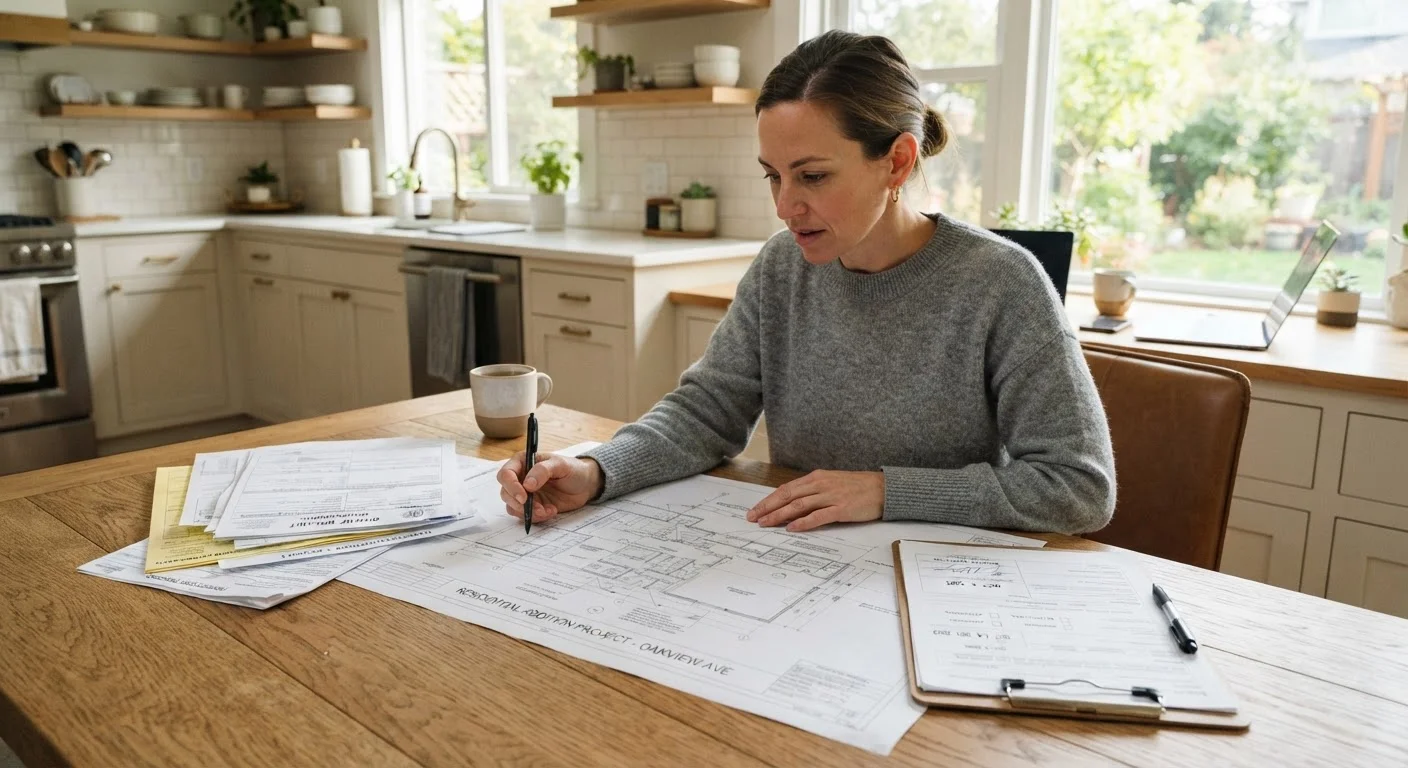
Why Permits Exist — and What They Actually Cover
Building permits aren't bureaucratic obstacles — they're the mechanism through which local governments ensure that work on homes is structurally sound, electrically safe, and built to survive the conditions specific to your region. Codes vary by state, county, and city, but their purpose is consistent: protect occupants from fire, structural failure, and health hazards.
Most homeowners are surprised by how broad permit requirements are. Common projects that typically require a permit include:
- Adding or removing walls (especially load-bearing ones)
- Electrical panel upgrades or adding circuits
- Installing or replacing HVAC systems
- Major plumbing changes, including moving drain lines
- Decks, fences above a certain height, and detached structures
- Roof replacements in many jurisdictions
Projects that often don't require permits include cosmetic work like painting, flooring replacement, cabinet swaps, or minor fixture changes — but exceptions exist. When in doubt, a quick call to your local building department takes minutes and can save you significant trouble later. See our guide to wall removal and open-plan renovations for a concrete example of what permitted structural work actually involves.
Permit Requirements Vary by Jurisdiction
There is no single national standard for what requires a permit in the US. A project that needs approval in one county may not in an adjacent one. Your local building department — reachable by phone or through your municipality's website — is the only authoritative source for your specific address. Asking costs nothing; assuming costs potentially a great deal.
What Inspectors Look For — and When They Visit
Once a permit is issued, inspections are typically required at specific stages of the work — not just at the end. This staging is intentional: an inspector needs to see work before it's concealed. Common inspection stages include:
- Rough-in inspection: Framing, electrical wiring, and plumbing are visible before drywall goes up
- Insulation inspection: Required in some jurisdictions before walls are sealed
- Final inspection: Completed work is assessed for overall code compliance
Inspectors check whether work matches the approved plans and meets current code — they aren't evaluating quality of craftsmanship in the aesthetic sense. A passed inspection means the work is safe and compliant, not necessarily that it's beautifully finished.
If an inspection fails, the contractor or homeowner must address the noted deficiencies and schedule a re-inspection. This is normal and not automatically a sign of serious problems — inspectors often flag minor items that are quickly corrected.
~40%
Home improvement projects done without required permits
Industry estimates suggest a significant share of renovation work proceeds without permits, often due to homeowners being unaware of requirements rather than deliberate evasion.
Varies by state
Electrical licensing requirements across the US
Every US state regulates electrical contractor licensing, but the scope of work a homeowner can legally perform themselves differs significantly by jurisdiction.
Licensed Trades: Who Must Do the Work
Licensing exists separately from permitting. Even on a permitted project, certain categories of work are legally restricted to licensed professionals — regardless of the homeowner's skill level. In the US, this typically includes:
- Electrical work: Most states require a licensed electrician for anything beyond very minor tasks like replacing a switch or outlet cover
- Gas lines: Gas fitting is almost universally restricted to licensed plumbers or gas fitters; improper work creates explosion and carbon monoxide risks
- Structural engineering: Any work touching load-bearing elements may require a licensed structural engineer to sign off on plans
Plumbing licensing requirements vary considerably. Replacing a faucet is generally a homeowner task; relocating drain lines or connecting to the main supply is usually licensed work. Your state's contractor licensing board website is the authoritative source for your jurisdiction.
Before hiring any trade professional, verify their license is current and in good standing. Most states have an online lookup tool. See our pre-hire checklist for tradespeople for a structured approach to vetting contractors, and review key contract clauses before signing anything.
Verify Licenses Before Work Begins
Most US states maintain a free, searchable online database of licensed contractors through the state's contractor licensing board or department of consumer affairs. Check that a contractor's license is current, covers the correct trade category, and has no serious disciplinary actions before signing any agreement. This takes about five minutes and removes significant risk.
The Real Risks of Skipping the Process
Unpermitted work carries concrete consequences that extend well beyond any immediate fine. The most significant risks include:
- Insurance gaps
- Many homeowner insurance policies exclude coverage for damage arising from unpermitted work. A fire traced to unpermitted electrical work may result in a denied claim.
- Sale complications
- Real estate transactions typically require disclosure of unpermitted work. Buyers, lenders, and appraisers may demand the work be permitted retroactively — or reduced in price — before closing.
- Retroactive permitting costs
- Getting unpermitted work approved after the fact often requires opening walls to expose hidden work for inspection, significantly increasing cost.
These aren't hypothetical risks. They're among the most common issues uncovered during home sales. Treating permits and licensed trades as optional is a financial gamble with poor odds. For projects involving moisture-sensitive areas, the stakes are even higher — bathroom waterproofing failures are a prime example of what improperly documented work can cost.
This article provides general information about building permits, inspections, and licensed trades in the US. Requirements vary by state, county, and municipality. Always verify your local building department's specific requirements before starting any home improvement project. This is not legal or professional contracting advice.
Frequently Asked Questions
Unpermitted work can result in fines, mandatory removal of completed work, and difficulty selling your home. It may also void your homeowner's insurance coverage for related claims. In some cases, the work must be exposed and inspected before it can be legitimately approved.
In many US jurisdictions, homeowners can pull permits for work on their own primary residence. However, this doesn't mean they can perform licensed trade work themselves — electrical, gas, and some plumbing tasks still legally require a licensed contractor in most states.
Timelines vary widely by municipality and project complexity. Simple permits may be issued over the counter the same day, while complex structural or mechanical permits can take several weeks. Check with your local building department early in your planning process.
Permitted work that adds living space or significantly increases home value may trigger a property reassessment, potentially raising your taxes. This is a legitimate trade-off to discuss with your local assessor's office — not a reason to skip permits.
Electrical work, gas line work, and structural engineering typically require licensed professionals in all US states. Plumbing licensing requirements vary by state and scope of work. Always verify requirements with your state's licensing board.
Building inspectors are employed by the local government to enforce code compliance. However, the protection they provide directly benefits homeowners — catching code violations before walls are sealed means dangerous conditions are addressed before they become costly or hazardous.
The content on this site is for informational purposes only and is not a substitute for professional advice. Always consult a qualified professional for guidance specific to your situation.