

Our Verdict
Monsoon travel in Asia is neither universally bad nor universally good — it depends heavily on which country, which month, and what kind of traveler you are. With honest expectations and flexible logistics, many destinations reward wet-season visitors in ways peak season simply cannot. The risks are real but manageable if you plan around them rather than ignoring them.
Ideal for flexible, budget-conscious travelers who prioritize atmosphere and authenticity over guaranteed sunshine and packed itineraries.
What 'Monsoon Season' Actually Means
The word monsoon tends to trigger images of relentless, days-long downpours that wash out any hope of sightseeing. The reality is far more varied. Monsoon refers to a seasonal wind shift that brings increased precipitation — but the intensity, timing, and duration differ dramatically across Asia.
In much of Southeast Asia, the wet season typically means heavy afternoon or evening showers lasting one to three hours, followed by clear skies. In contrast, parts of Bangladesh, northeastern India, and Myanmar can experience genuinely severe and sustained rainfall. Vietnam's central coast and the Philippines sit in typhoon corridors, adding a different layer of risk. Understanding the specific pattern for your destination and travel window matters far more than the generic label 'monsoon.'
For a clearer framework on how seasonal labels translate across different destination types, see what high season and low season actually mean for different destination types.
The Real Advantages of Traveling During Wet Season
Dismissing monsoon travel outright means missing genuine benefits that seasoned travelers actively seek out.
Significantly fewer tourists at major sites
Popular destinations like Angkor Wat, Bali's Ubud, and Hoi An's old town see a marked drop in visitor volume during wet season, making the experience quieter and more personal.
Lower accommodation and flight costs
Off-peak demand typically translates to meaningful price reductions at hotels and guesthouses, with airfare also softening on routes that depend heavily on leisure tourism.
Landscapes are at their most vivid
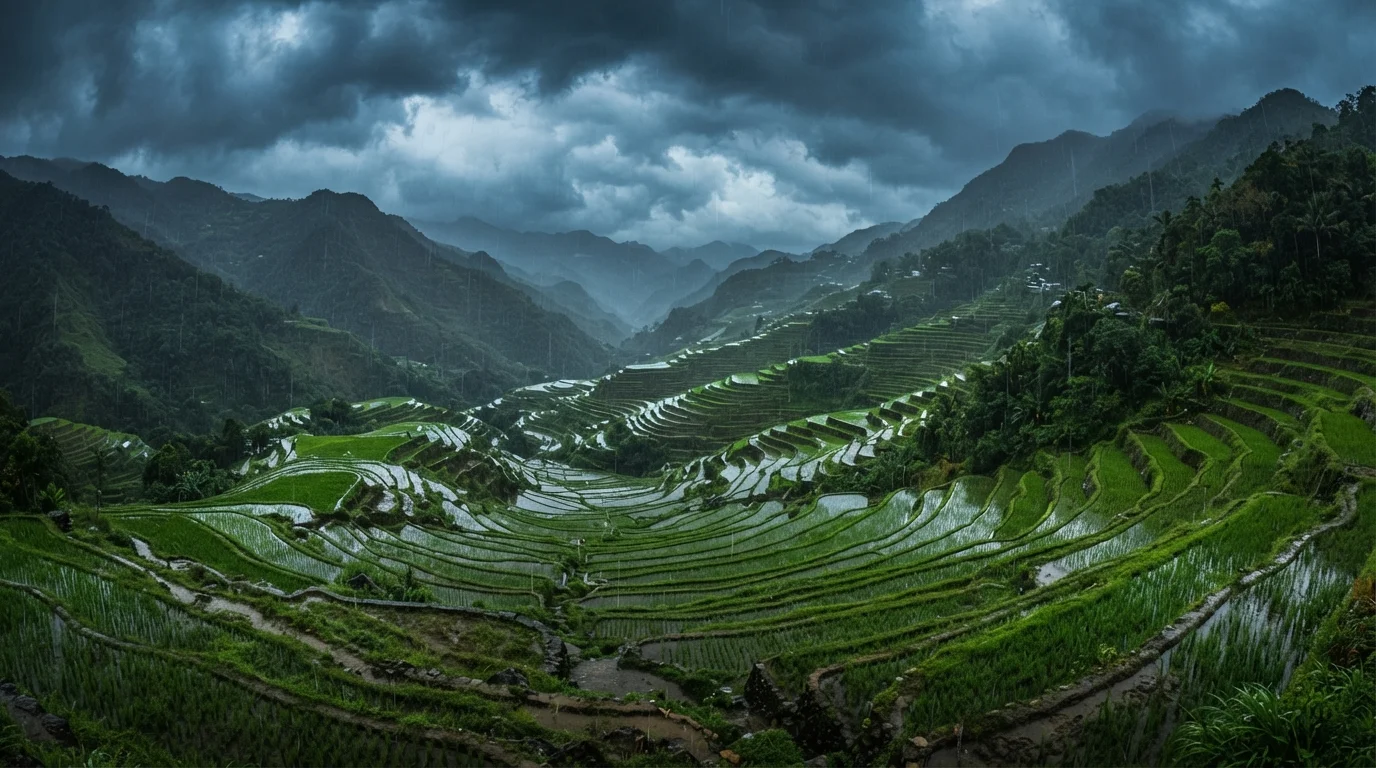
Rice paddies, jungles, and hillside terrain reach peak greenery during and just after monsoon rains, producing scenery that is genuinely different from what dry-season visitors see.
Wildlife viewing benefits from seasonal patterns
In parts of India and Sri Lanka, monsoon-fed water sources concentrate wildlife activity, and certain bird species are only present during or just after the wet months.
Cultural festivals align with the rainy season
Several significant regional festivals — including Buddhist Lent observances and harvest-linked celebrations — fall within wet-season months and are rarely on tourists' radar.
Bali's rice terraces are most photogenic when fed by rain. Luang Prabang's Mekong river cruises require adequate water levels only present in the wet season. Wildlife in parts of Sri Lanka and India concentrates around water sources as surrounding land dries — an effect that actually peaks during transitional monsoon months. The season also coincides with major festivals in several countries, including Thailand's Khao Phansa and India's monsoon-associated celebrations.
The Trade-Offs You Should Not Overlook
Honest planning means accounting for the downsides with the same seriousness as the benefits.
Transport disruptions are frequent and unpredictable
Ferry routes between islands, rural bus services, and domestic flights face higher cancellation rates during peak monsoon months, which can derail tight itineraries with little warning.
Flash flooding poses genuine safety risks
Low-lying towns and river valleys in countries like Vietnam, Myanmar, and the Philippines can flood quickly, sometimes making roads impassable and cutting off traveler access to certain areas.
Persistent humidity increases physical fatigue
High humidity combined with heat makes extended outdoor activity more exhausting than the same effort in dry conditions, which is a real factor for travelers with ambitious sightseeing plans.
Some outdoor activities become unavailable
Snorkeling visibility drops significantly in stirred coastal waters, trekking trails become hazardous or closed, and certain cultural sites restrict access during heavy rain periods.
Typhoon risk is real in parts of the region
The Philippines, Vietnam's central coast, and southern China face active typhoon seasons that overlap with monsoon months — a distinct risk category requiring careful monitoring of official advisories.
Flash flooding can close roads, cancel boat services between islands, and make rural trekking genuinely dangerous rather than simply uncomfortable. Humidity amplifies fatigue and makes certain activities — long hikes, dense urban exploration — more draining than the same itinerary in dry conditions. Mold, insect activity, and heat compound the discomfort at lower-budget accommodations that rely on natural ventilation.
For island destinations in particular, the calculus shifts further. What visiting Thailand, Indonesia, and Philippine islands actually involves — including monsoon timing — is worth reading before committing to a coastal itinerary.
Always Check Official Travel Advisories
Monsoon conditions can escalate quickly, and the risk profile of a destination can shift significantly within a single travel season. The U.S. Department of State and the destination country's national meteorological service are the most reliable sources for current conditions and entry-related guidance. Do not rely solely on traveler forums or booking platforms for safety information.
How to Travel Smarter During Monsoon
Adjusting your approach — not abandoning your trip — is the practical response to wet-season conditions.
- Build flexibility into your schedule. Avoid back-to-back reservations that depend on ferry or domestic flight connections, which are the first services to be disrupted.
- Choose accommodations with covered common areas. A good verandah or indoor lounge makes two-hour rain waits tolerable rather than miserable.
- Front-load outdoor activities. In many regions, mornings are reliably clear even when afternoons are stormy. Temples, markets, and landscape walks are better planned before noon.
- Research destination-specific patterns. Chiang Mai in July behaves very differently from Koh Samui in November. The regional nuance is the planning work that pays off.
It is also worth questioning assumptions about what makes a trip successful. Seasonal travel myths that lead planners astray challenges some common beliefs about timing that shape decisions more than they should.
30–50%
Typical hotel rate drop during wet season
Travel industry pricing data consistently shows significant accommodation cost reductions at popular Southeast Asian destinations during their low season months.
~4 months
Duration of Southwest Monsoon in South Asia
The Southwest Monsoon typically affects the Indian subcontinent from roughly June through September, though onset and withdrawal dates vary by region each year.
The content on this site is for informational purposes only and is not a substitute for professional advice. Always consult a qualified professional for guidance specific to your situation.