

Our Verdict
Routine servicing is a genuine investment in your vehicle's long-term reliability, but it is not a catch-all solution. Its real value lies in what it prevents — not everything it fixes. Gaps in coverage are normal; the key is knowing where those gaps are so you can plan and budget accordingly.
Drivers who want to protect their vehicle's reliability and warranty standing while understanding exactly what they are — and aren't — paying for at each service visit.
What a Routine Service Actually Includes
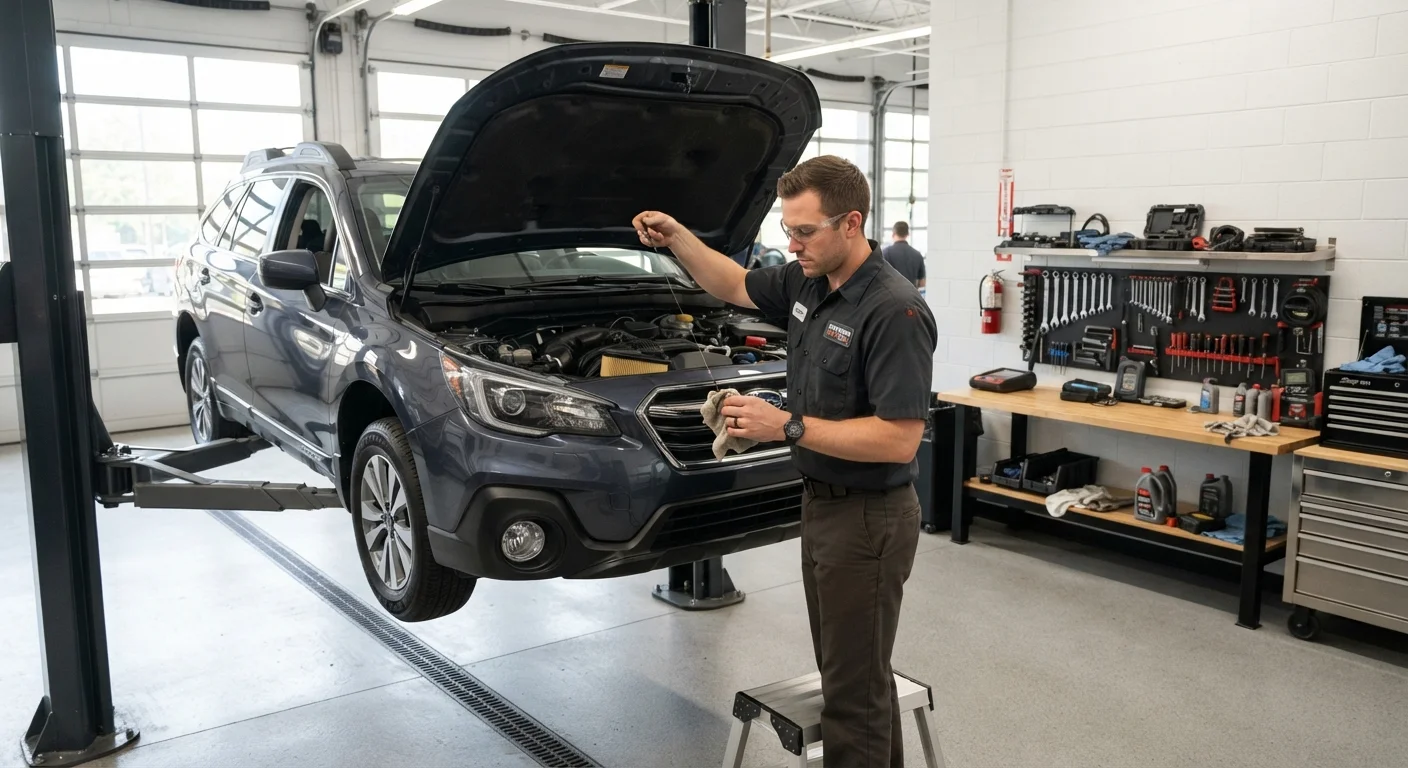
A standard routine service — sometimes called a minor or oil service — follows a fairly consistent checklist across most shops and dealerships, though exact scope can vary. Understanding the baseline helps you evaluate whether a quoted service is comprehensive or bare-bones.
Core items typically covered include:
- Engine oil and oil filter replacement — the most fundamental task, protecting engine components from friction and heat buildup.
- Air filter inspection or replacement — a clogged air filter reduces fuel efficiency and engine performance.
- Fluid level checks and top-ups — coolant, brake fluid, power steering fluid, and windshield washer fluid are usually inspected, though full flushes are rarely included at no extra charge.
- Visual safety inspection — technicians look over belts, hoses, lights, wiper blades, and tire condition, noting items that need attention without necessarily addressing them in the same visit.
- Tire pressure adjustment — a simple but safety-critical check that many drivers overlook between services.
Some shops also include a multi-point inspection report as part of their standard offering. See our guide to reading a mechanic's service report to understand what that paperwork actually tells you.
Extends engine life through regular oil changes
Fresh oil reduces friction and prevents sludge buildup, which are two of the leading causes of premature engine wear. Consistent oil changes at the recommended interval are among the highest-return maintenance habits a driver can build.
Catches emerging problems before they escalate
A visual inspection during routine service often surfaces worn belts, low fluid levels, or brake wear early — allowing repairs to be scheduled before a roadside failure occurs.
Maintains manufacturer warranty compliance
Many powertrain warranties require documented service history at specified intervals. Keeping up with routine service protects your warranty standing and supports resale value.
Creates a documented vehicle maintenance history
A consistent service record is a meaningful asset when selling a used vehicle, as it demonstrates responsible ownership and reduces buyer uncertainty.
What Routine Servicing Typically Doesn't Cover
This is where many drivers are caught off guard. A routine service identifies problems — it doesn't always fix them. The following are commonly excluded from standard service pricing:
- Brake pad and rotor replacement — brakes are inspected for wear but replacement is a separate, additional cost.
- Tire rotation or replacement — some shops include rotation; many don't. New tires are always extra.
- Battery testing and replacement — voltage may be checked visually, but battery swap-outs are billed separately.
- Timing belt or drive belt replacement — these are major interval-based services distinct from a routine oil service.
- Spark plugs — typically replaced on a mileage schedule rather than at every service.
- Transmission or coolant flushes — these are deeper maintenance tasks usually performed at longer intervals and priced separately.
The distinction between what's inspected and what's replaced matters enormously for budgeting. For a full picture of mileage-based intervals and when these bigger tasks typically come due, see our car maintenance schedule guide.
Doesn't address all wear-and-tear items
Routine service is designed for preventive maintenance, not comprehensive repair. Brakes, tires, batteries, and belts frequently need attention outside the standard service scope.
Inspection findings aren't automatically fixed
A technician may note that your brake pads are low or a belt looks cracked, but resolving those issues requires separate authorization and additional cost — which can catch drivers off guard.
Scope varies widely between providers
A routine service at one shop may include tire rotation; at another it may not. Without asking upfront, drivers can't reliably compare value across quotes.
Can create a false sense of comprehensive coverage
Drivers who assume a routine service covers everything their car needs may delay addressing flagged items, leading to larger repairs down the line.
How Service Scope Can Vary
Not all routine services are created equal. A dealership service center following a manufacturer-prescribed schedule may include different items than an independent shop offering a flat-rate oil-and-check package. Some vehicles — particularly newer models — use condition-based monitoring systems that adjust service recommendations based on real driving data rather than fixed mileage. Our article on scheduled vs. condition-based maintenance explains how these two approaches differ.
Manufacturer vs. Shop Service Checklists
Your vehicle's owner's manual outlines the manufacturer's recommended service intervals and tasks — this is the authoritative reference for your specific model. A shop's standard service package may not perfectly align with those recommendations. Comparing both before you book ensures nothing critical falls through the cracks.
Before approving any service, ask the shop for a written itemized list of what is and isn't included. This protects you from surprise add-ons and helps you compare quotes accurately across providers.
40%
Of drivers unaware of what their service includes
Industry surveys consistently show a large share of drivers cannot accurately describe what a standard oil service covers versus what costs extra.
~$150–$300
Typical minor service cost range in the US
Pricing varies significantly by vehicle type, region, and provider; luxury vehicles and dealerships tend toward the higher end of the range.
Filling the Gaps: Making Routine Service Work Harder for You
The most effective approach is to treat routine service as a starting point, not a complete solution. Here's how to get more value from each visit:
- Review the inspection report carefully. Items flagged as "advisory" or "monitor" are real maintenance needs — they just weren't addressed today. Prioritize them before your next service.
- Know your vehicle's full schedule. Consult your owner's manual or a trusted mechanic to understand when larger services — transmission service, coolant flush, timing belt — are due so they don't blindside you financially.
- Understand what you can handle yourself. Some top-ups and inspections are well within reach for most drivers. Our DIY vs. mechanic guide outlines which tasks make sense to handle at home.
- Check your warranty terms. Skipping manufacturer-recommended services can void powertrain coverage. Understanding your warranty's fine print is worth the time before you skip a service interval.
The content on this site is for informational purposes only and is not a substitute for professional advice. Always consult a qualified professional for guidance specific to your situation.