

Our Verdict
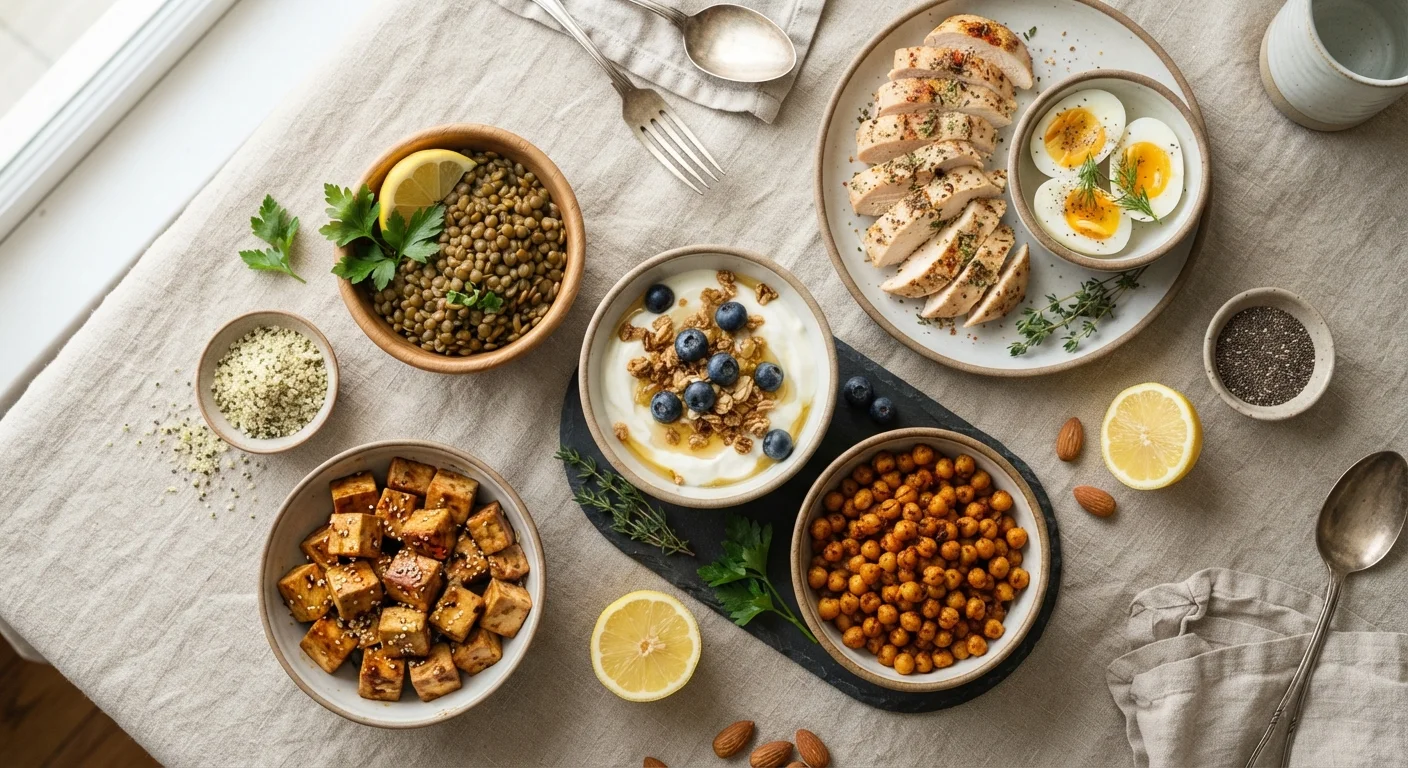
No single protein source is universally superior. Animal proteins offer completeness and high bioavailability, while plant proteins bring fiber, phytonutrients, and lower saturated fat. A blended approach often covers the most nutritional ground, but the right balance depends on individual health goals, dietary preferences, and any underlying conditions.
| Best for | Recommended |
|---|---|
| Those seeking maximum amino acid completeness from a single source | Animal proteins (e.g., eggs, poultry, dairy) |
| Those prioritizing lower saturated fat and added fiber intake | Plant proteins (e.g., legumes, soy, lentils) |
| Those wanting broad nutritional coverage and dietary flexibility | Blended approach combining animal and plant sources |
What Makes a Protein Source 'Good'?
Protein is made up of amino acids — the building blocks your body uses for muscle repair, immune function, enzyme production, and more. Of the 20 amino acids, nine are classified as essential, meaning the body cannot produce them on its own. A protein source that supplies all nine in adequate amounts is called a complete protein.
But completeness isn't the only metric that matters. Bioavailability — how efficiently your body absorbs and uses a protein — is equally important. Scientists measure this using tools like the Protein Digestibility-Corrected Amino Acid Score (PDCAAS) and the Digestible Indispensable Amino Acid Score (DIAAS). Animal proteins generally score higher on these scales, though that doesn't make plant proteins nutritionally irrelevant. To decode exactly what protein content labels are telling you, see how to read a nutrition label.
Animal Proteins: Strengths and Considerations
Eggs, poultry, fish, beef, and dairy products are classic complete protein sources. Eggs in particular are often used as a reference standard in nutrition research because of their amino acid profile and high digestibility. Dairy products like Greek yogurt and cottage cheese also deliver protein alongside calcium and probiotics.
The considerations with animal proteins involve what often comes alongside them: saturated fat, cholesterol, and — depending on processing — added sodium. Red and processed meats have been associated with certain health risks in large epidemiological studies, though the science distinguishes between processed meats (like deli cuts and sausages) and unprocessed red meat. Fish and poultry carry a different risk profile. For more on how processing affects nutritional value, see the evidence on whole vs. processed foods.
Variety Is a Nutritional Strategy
Rather than optimizing for one 'perfect' protein source, nutrition evidence consistently supports eating a variety of sources over time. Rotating between eggs, legumes, fish, dairy, and soy exposes your body to different amino acid ratios, micronutrients, and beneficial compounds. It also naturally prevents overreliance on any single food's limitations.
Plant Proteins: Strengths and Considerations
Legumes (lentils, chickpeas, black beans), soy products (tofu, edamame, tempeh), nuts, seeds, and whole grains are the primary plant protein sources. Soy is notable for being a complete plant protein with a PDCAAS score comparable to many animal proteins. Most other plant proteins are considered incomplete — they're lower in one or more essential amino acids — but pairing complementary sources (like rice and beans) across the day addresses this effectively.
Plant proteins bring meaningful bonuses: dietary fiber, phytonutrients, and generally lower saturated fat. Fiber supports digestive health and helps with satiety. The tradeoff is that antinutrients like phytates and lectins in some legumes can mildly reduce mineral absorption, though cooking largely neutralizes this effect. For a thorough look at plant-based eating patterns, this grounded introduction to plant-based diets covers nutrients to watch and practical tradeoffs.
| Animal Proteins | Plant Proteins | Blended Approach | |
|---|---|---|---|
| Amino acid completeness | Complete (all 9 essential AAs) | Often incomplete; soy is an exception | Complete coverage when combined |
| Bioavailability / digestibility | Generally high (PDCAAS/DIAAS scores) | Moderate; varies by source and preparation | High overall with variety |
| Saturated fat content | Varies; higher in red/processed meats | Generally low | Depends on animal protein choices |
| Dietary fiber contribution | None | Significant (legumes, whole grains) | Moderate to high |
| Micronutrient highlights | Iron (heme), B12, zinc, calcium | Magnesium, folate, potassium, phytonutrients | Broad micronutrient spectrum |
| Practical accessibility | Widely available; varies by cost | Generally affordable; pantry-stable options | Flexible; adaptable to budget and preference |
| Considerations / tradeoffs | Saturated fat; processing risks | Antinutrients; B12 not present | Requires planning for balance |
Blended Approaches: Why Combining Sources Works
Many nutrition researchers and registered dietitians highlight that a diet drawing from both animal and plant proteins tends to offer the broadest nutritional coverage. Animal proteins close amino acid gaps; plant proteins contribute fiber and micronutrients that animal foods lack. This doesn't require every meal to be mixed — it's an overall dietary pattern that counts.
Blended approaches also allow flexibility for people with lactose intolerance, shellfish allergies, or ethical preferences around meat consumption. The key is understanding what each source brings — and building meals accordingly. For practical strategies on constructing balanced daily meals, building nutritious meals without a dietitian offers evidence-informed guidance.
~0.8g/kg
Recommended daily protein intake per body weight
The Recommended Dietary Allowance (RDA) for protein in healthy adults, per the National Academies of Sciences, Engineering, and Medicine.
1.0
PDCAAS score of egg and soy protein
Both eggs and soy score the maximum on the Protein Digestibility-Corrected Amino Acid Score scale, indicating high-quality complete proteins.
~18%
Increase in plant protein intake in U.S. adults
Research published in the Journal of Nutrition has tracked a gradual shift toward plant protein consumption in the United States over recent decades.
This article provides general nutrition information and education. It is not a substitute for personalized medical or dietary advice. Consult a registered dietitian or qualified healthcare professional before making significant changes to your diet, especially if you have an underlying health condition.
The content on this site is for informational purposes only and is not a substitute for professional advice. Always consult a qualified professional for guidance specific to your situation.